
Mar 28, 2026 - 5 min read
The 30-Minute Store: What AI Agents Mean for Your Small Business in 2026
Last Tuesday, Alibaba launched a product called Accio Work. It can build you a fully functional online store - complete with market research, product selection, store design, and...
Last Tuesday, Alibaba launched a product called Accio Work. It can build you a fully functional online store - complete with market research, product selection, store design, and live listings - in 30 minutes.
Not 30 hours. 30 minutes.
And if you run a small business, that headline should stop you in your tracks. Not because you need an online store. But because of what it signals about where we are right now.
At Nexera, we talk to small business owners every week. Most are still doing things the hard way - manually updating spreadsheets, stitching together tools that don't talk to each other, spending Sunday nights on tasks that should take 15 minutes. The gap between what AI can now do and what most businesses are actually doing has never been wider.
That gap is starting to cost real money.
From Tools to Teams: The Shift Most People Are Missing
For the past few years, AI has mostly been a solo act. You ask it a question. It gives you an answer. You copy and paste the answer somewhere useful.
That era is ending.
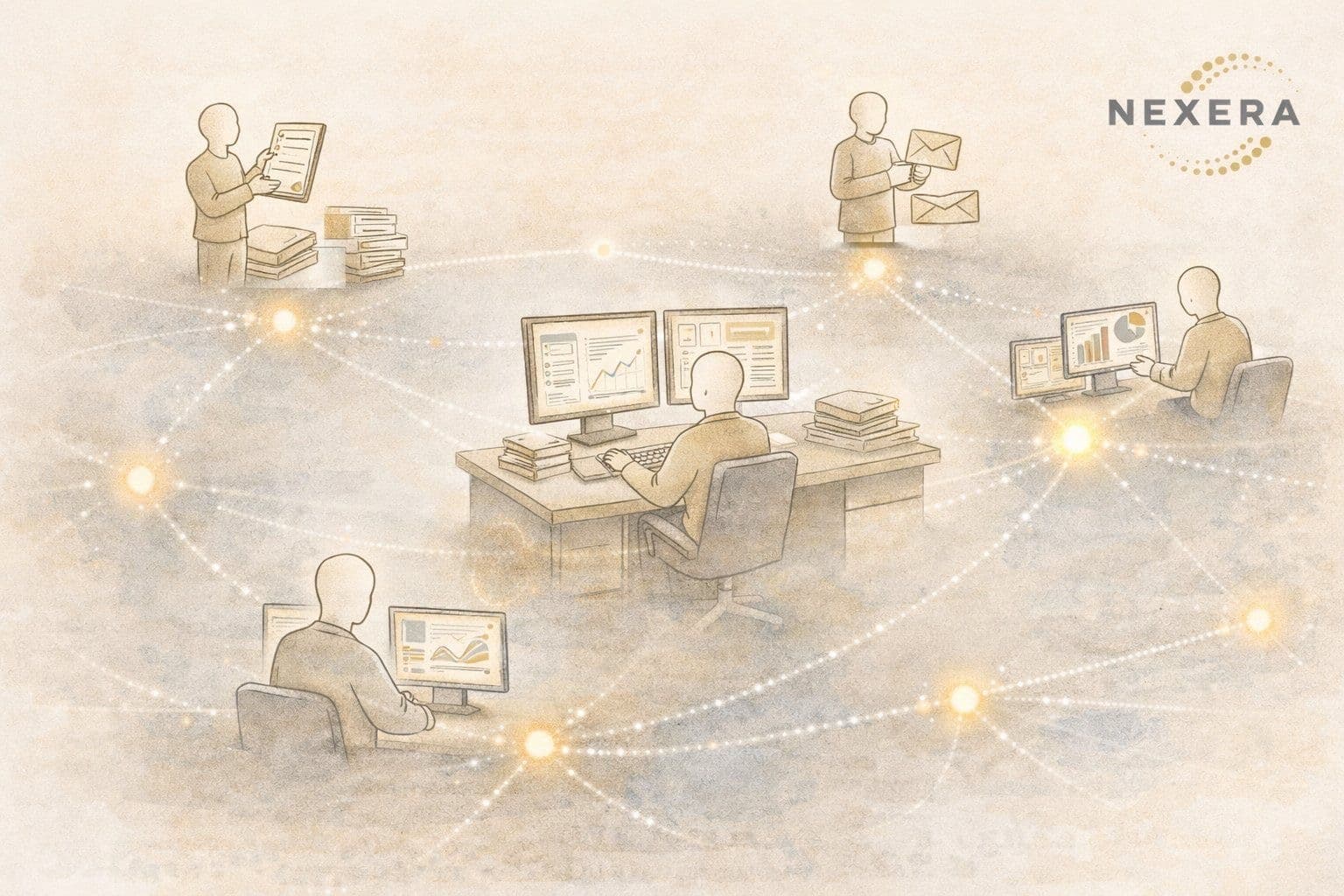
What Alibaba launched last week isn't just another AI tool. It's a coordinated system of AI agents - specialists that work together in parallel. One agent handles market research. Another designs the storefront. Another manages listings. They communicate, hand off work, and deliver a finished result.
This is the shift. We've gone from AI as a smarter search engine to AI as an actual working team.
For a small business owner who currently wears every hat - this is significant.
The Real Math of Running a Manual Business in 2026
Here's what I hear from clients constantly: "We're too busy to look into AI."
And here's the uncomfortable truth - you're busy because you haven't looked into AI.
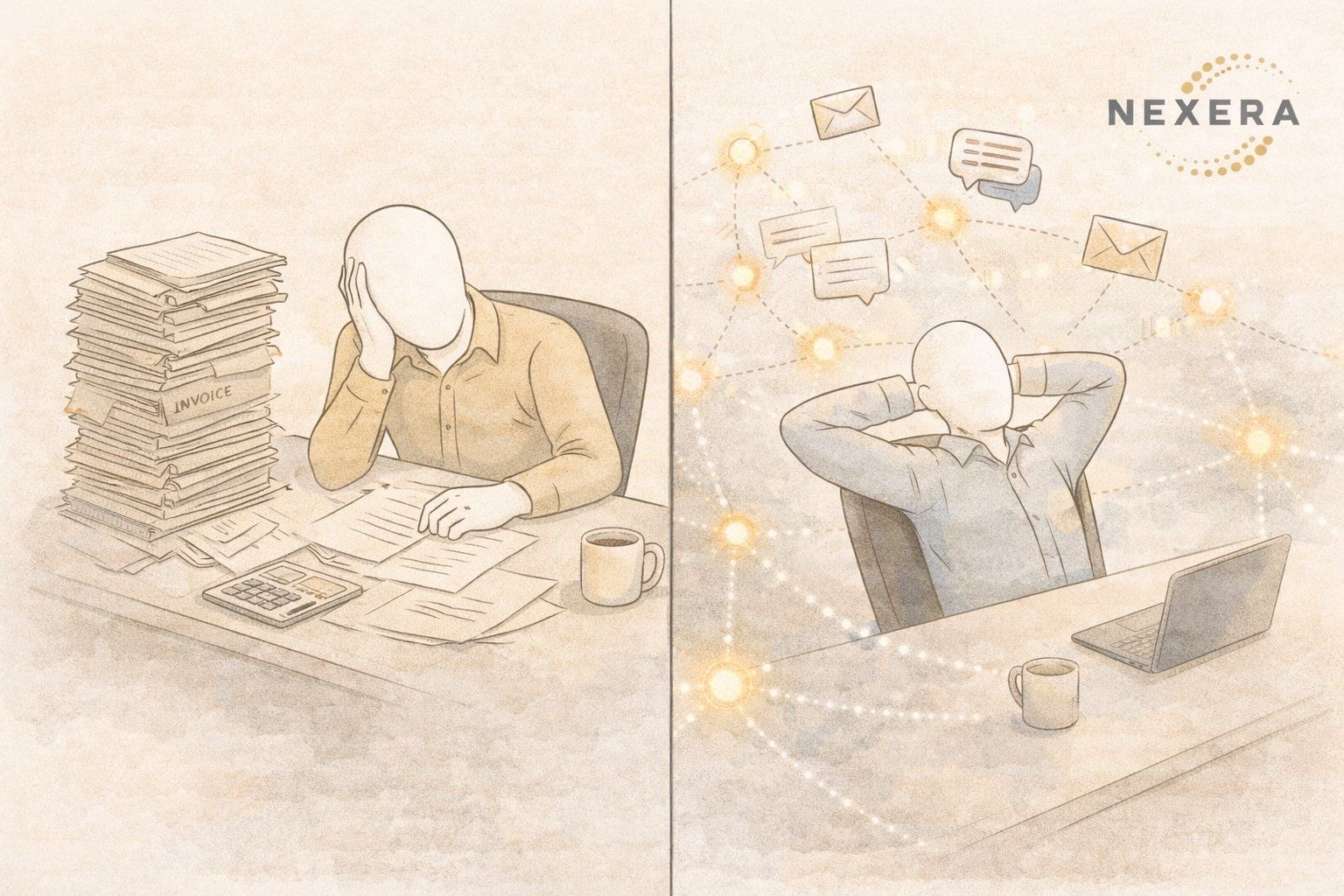
The average small business owner spends somewhere between 15 and 25 hours a week on administrative tasks. Scheduling. Invoicing. Following up on leads. Writing routine emails. Updating records. These aren't value-creating activities. They're maintenance work.
At a conservative $75 per hour, that's $1,125 to $1,875 per week in time cost. Every week.
A recent analysis by PwC found that AI adoption can reduce operational overhead by 40% or more for small and mid-sized businesses. That's not a rounding error. That's the difference between grinding through the year and actually growing.
The businesses that adopt early aren't just working smarter. They're compounding that advantage every month while competitors stay stuck.
Signs Your Business Is Paying the AI-Gap Tax
Most people don't realize how much manual work is costing them because it's always been there. It's invisible - like a monthly fee they forgot they signed up for.
Here are a few things to watch for.
You have a "process person" on your team whose main job is to move information from one system to another. That's a $50,000-$60,000 role that AI can handle in the background, automatically.
Your response time to new leads is more than an hour. Studies consistently show that lead conversion drops by over 90% after the first five minutes. If someone inquires and you get back to them three hours later, you've already lost them.
You dread Mondays because there's always a pile of things that stacked up over the weekend. Scheduling, follow-ups, reports - none of those need to wait for a human.
If any of those hit close to home, you're paying the AI-gap tax. The fee you pay, in time and lost revenue, for not automating.
What AI Agents Actually Look Like for a Small Business
The Alibaba announcement is impressive. But you don't need enterprise-level infrastructure to get the benefits.
Here's what an AI "team" can look like for a restaurant, a law firm, a construction company, or a retail shop.
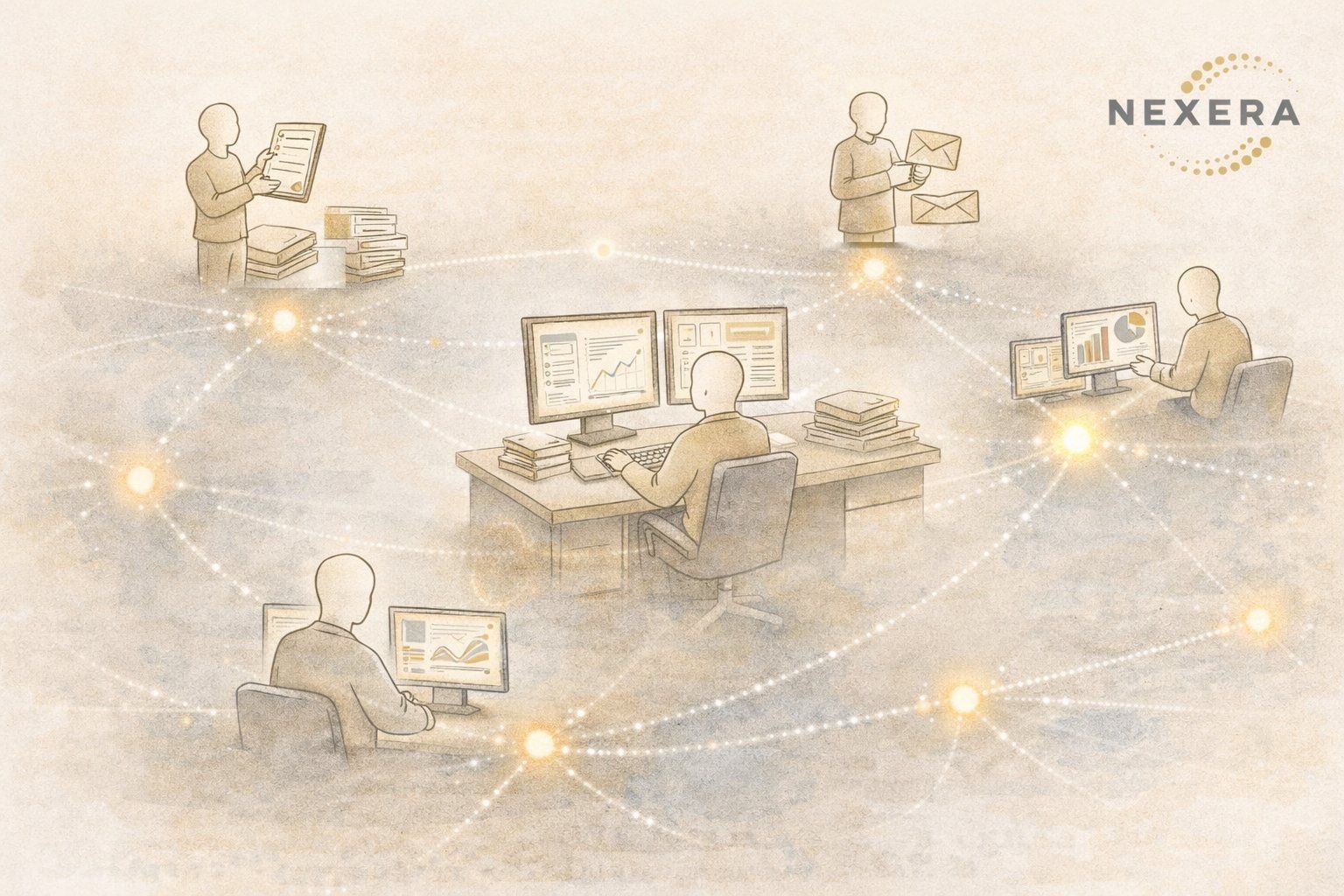
An AI agent handles all incoming customer inquiries - by text, by email, by web chat - 24 hours a day. It books appointments, answers FAQs, and escalates only the things that actually need a human.
A second system monitors your reviews across Google, Yelp, and other platforms, drafts responses for your approval, and flags urgent feedback before it spirals.
A third pulls together your weekly numbers - sales, foot traffic, average ticket, labor costs - and drops a clean summary into your inbox every Monday morning without you touching a spreadsheet.
None of this requires a tech background. None of this requires a big budget. It just requires someone to set it up once and let it run.
How to Start Without Overhauling Everything
The biggest mistake businesses make when thinking about AI is trying to do everything at once.
Don't.
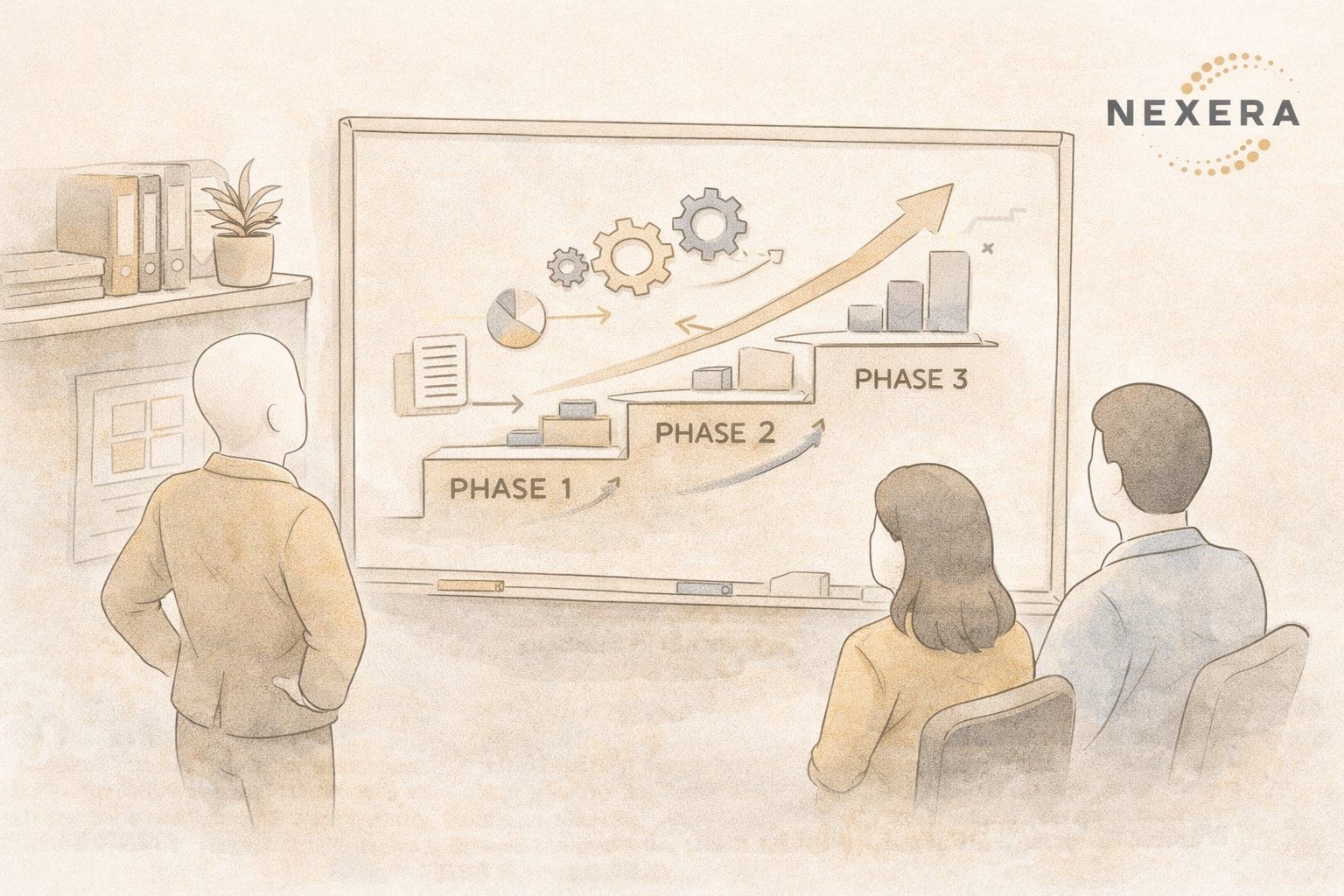
Pick the one task that eats the most time and has the clearest, most repeatable structure. That's your starting point. Get that working well. Then add another layer.
The businesses we've helped move fastest started with one workflow - usually customer communication or scheduling - got comfortable, saw the ROI, and expanded from there. Six months later, they're running leaner than they ever thought possible. Their team is spending time on work that actually matters.
The Alibaba launch is a reminder that this technology is accelerating fast. The window to get ahead of it is still open - but it's narrowing.
The Bottom Line
Thirty minutes to build a store. Forty percent reduction in operational overhead. AI agents that work in parallel, across tasks, around the clock.
This isn't the future anymore. This is March 2026.
The businesses that take even one afternoon to figure out where AI fits in their workflow are going to look back on this period as the moment everything changed.
The ones that don't will just keep paying the tax.
If you're ready to figure out where AI actually fits in your business - not where it sounds cool, but where it creates real leverage - we'd love to talk. Book a free consultation at nexeraintelligence.com.
Want one of these every other week?
Field notes from active Nexera engagements. No newsletter theater, no growth-hacks. Drop a line on a 30-min consult and we will add you to the rare-send list.