
May 12, 2026 - 5 min read
Your Meetings Are Fine. The Follow-Up Isn't.
A client of mine ran a leadership meeting last quarter. Nine people, 90 minutes, four major decisions, twelve action items written on a whiteboard. By the time their next...
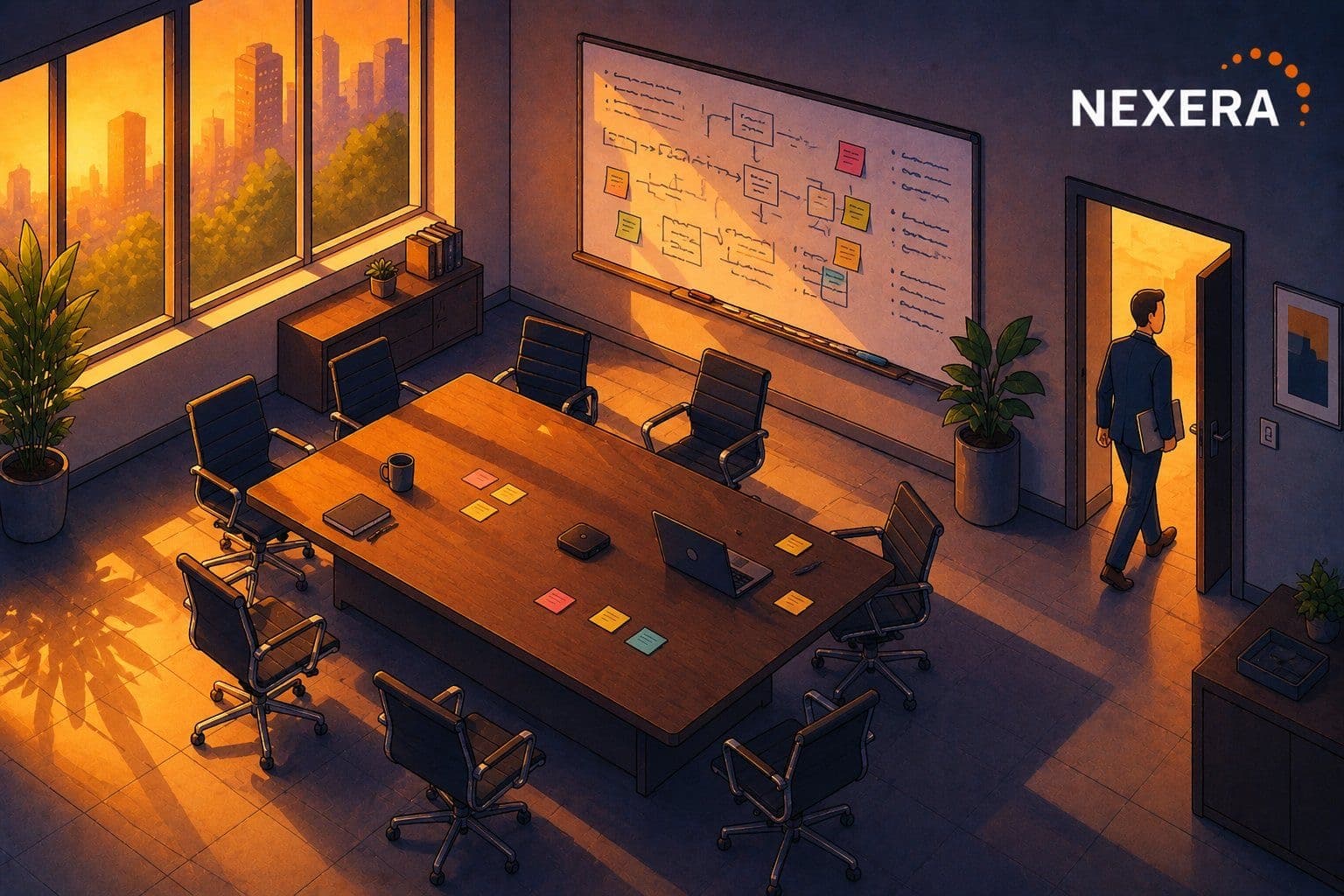
A client of mine ran a leadership meeting last quarter. Nine people, 90 minutes, four major decisions, twelve action items written on a whiteboard. By the time their next leadership meeting rolled around three weeks later, two of those action items had been completed. The other ten were either forgotten, blocked, or quietly re-assigned to "next quarter."
Nobody in the room was lazy. Nobody dropped the ball on purpose. The system just had no memory.
This is the part of work that AI is actually starting to fix, and it's not the part most small and mid-sized businesses are talking about. Everyone is asking how AI can run their meetings, summarize their meetings, or replace their meetings. The bigger unlock is everything that happens between meetings.
The Meeting Was Never the Bottleneck
Most teams have a meeting problem, but the problem isn't the meeting itself. Decisions get made. Ideas land on the table. People know what to do when they walk out. Then nothing happens.
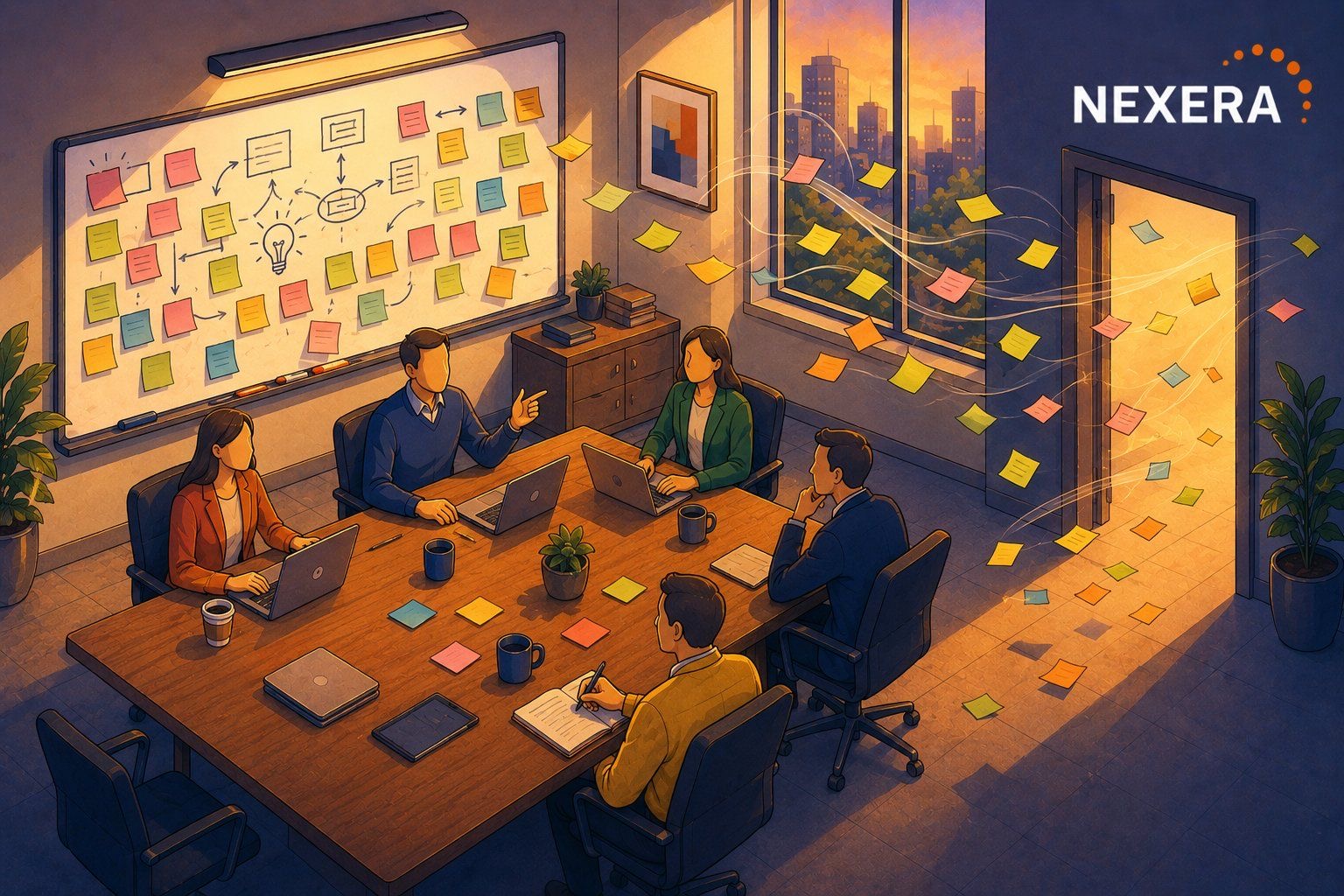
A typical 60-minute working session at an SMB produces somewhere between five and fifteen action items. If you tracked the completion rate across those items honestly, most companies would be horrified. Fifteen to thirty percent get done on time. The rest become next week's agenda, or they evaporate.
That's not a meeting problem. That's a follow-up problem.
What Just Changed
On May 8, OpenAI dropped a quiet bomb in its Realtime API. The new GPT-Realtime-2 models can transcribe live audio, generate structured meeting minutes, and produce sales call logs as the call is happening. The output is good enough that it's already being wired into CRMs and project management tools by week-old startups.
That alone isn't the story. Meeting transcription has existed for years. What's new is that the transcript is the input now, not the output. The transcript becomes the trigger for a series of automated actions: tickets created, follow-up emails drafted, calendar holds placed, CRM fields updated, deadlines tracked. The meeting ends and the work starts itself.
Deloitte's 2026 State of AI in the Enterprise report flagged this directly. One financial services firm is now using agentic workflows to capture commitments made in meetings, draft reminder messages to the people who made them, and quietly track follow-through. The whole loop runs without anyone managing it.
Why This Matters More for SMBs
Big companies have project managers, executive assistants, and Chief of Staff types to babysit follow-through. Small businesses do not. The CEO leads the meeting, the COO scribbles notes, and three days later everyone is buried in their normal work. The action items live in someone's head, or in a Slack message that scrolled off the screen, or in a Notion doc nobody opened again.
That gap is where AI quietly delivers the biggest ROI for SMBs in 2026. Not generating content. Not chatting with customers. Closing the loop on internal commitments that used to fall through the cracks.
If your team runs ten meetings a week and recovers even half of the action items that currently die in the gap, that compounds fast.
Signs You Have a Follow-Up Problem, Not a Meeting Problem
A few things to look for. You keep revisiting the same decisions in new meetings. Your team agrees on next steps verbally, but nobody is sure who owns what by Friday. You have a project that has been "almost done" for two months. Recurring meetings get longer over time because they're absorbing leftover work. People volunteer to do things in meetings and then quietly hope no one remembers.
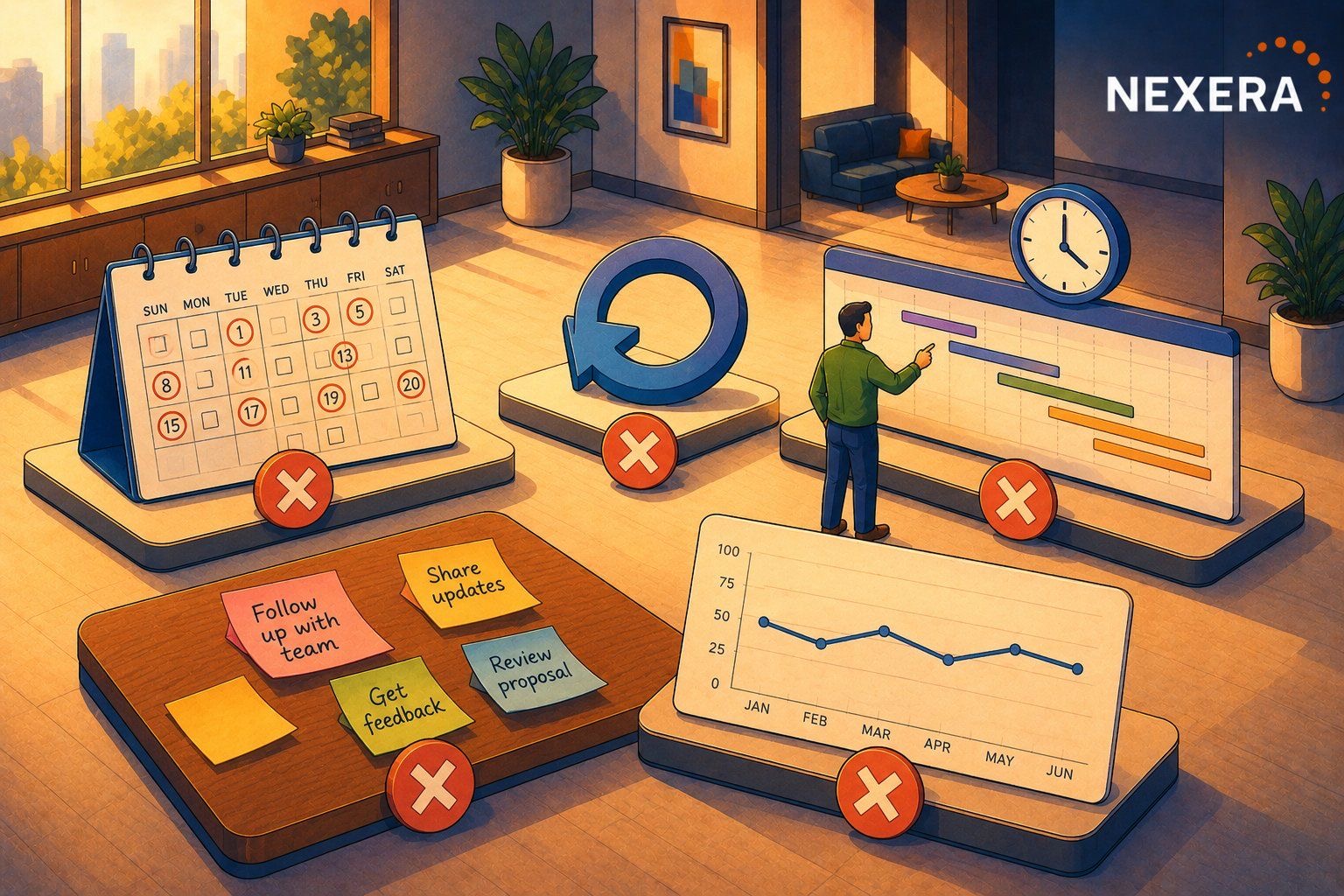
None of those are character problems. They're plumbing problems. Information goes in, very little comes out.
What the Fix Actually Looks Like
The version we are seeing work for clients is boring on purpose. A notetaker joins the meeting. Within minutes of the call ending, the system produces a structured summary, a list of decisions, and a clean action list with owners and rough deadlines.
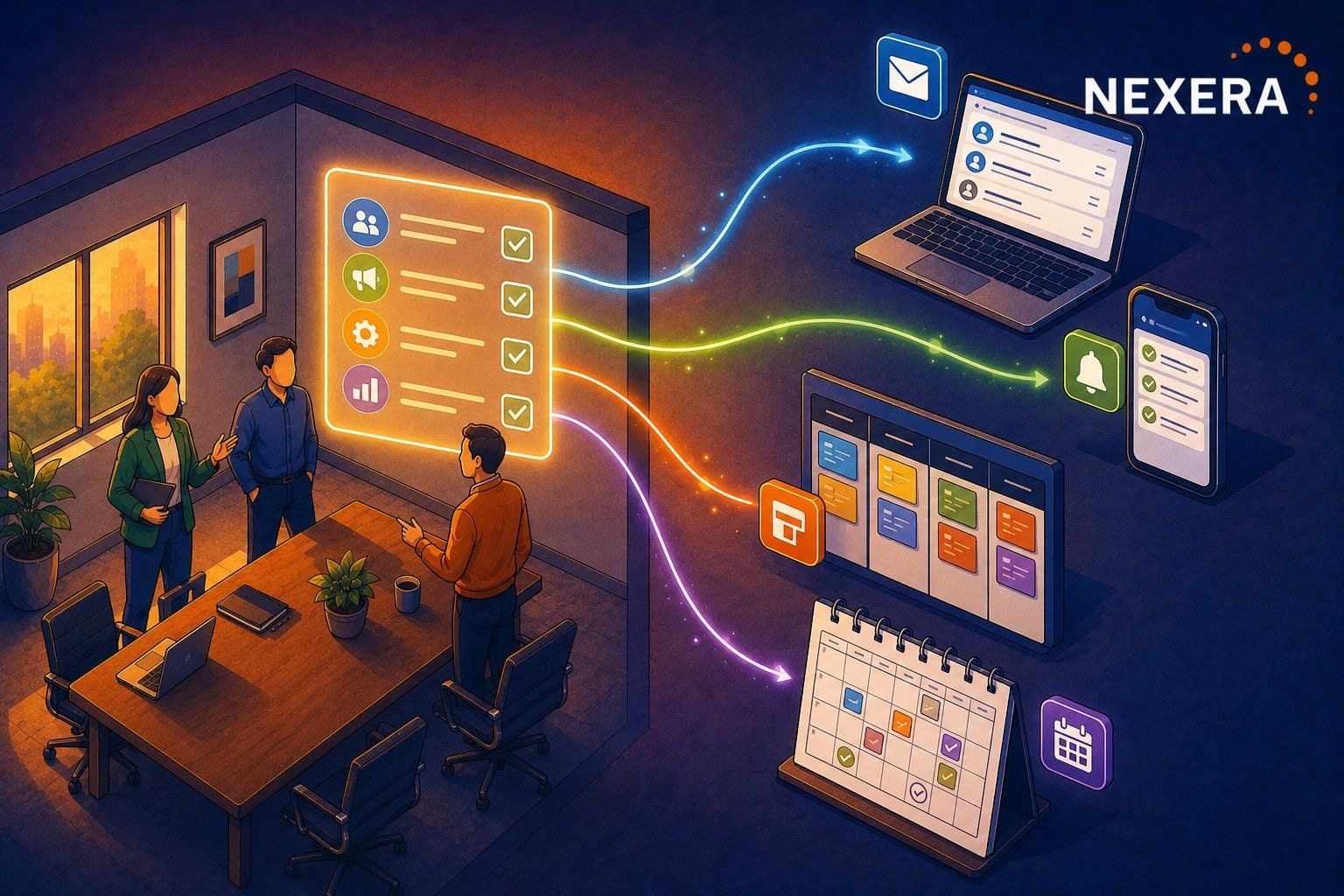
Then the part that matters: each action item gets pushed into the system where the owner already works. Sales follow-ups land as draft emails in Gmail. Operational tasks land as cards in the project board. Hiring follow-ups go to the ATS. The owner gets a single notification with a one-click confirmation.
A quiet check-in runs three days later. Anything that has not moved gets flagged.
It's not glamorous. It doesn't require a new platform. It requires three or four boring integrations between tools the business already pays for.
Where to Start
If you want to test this without buying anything new, start by recording your next leadership meeting with whatever notetaker you already have. Pull the action items out. Compare the list against what actually happened by the next meeting. Most teams discover the completion rate is worse than they thought.
Once you have a baseline, the path forward is straightforward. Pick the three meeting types where follow-through matters most. Sales calls, leadership meetings, and client check-ins are usually the top three. Wire the transcript into the system the owner already lives in. Add a single nudge a few days later. Measure the completion rate again in 30 days.
This is exactly the kind of unglamorous AI work that compounds. Nobody writes a press release about it. The team just notices, quarter over quarter, that fewer things slip.
The Bottom Line
Most SMBs don't need fewer meetings. They need their meetings to actually produce something afterward. The interesting work in AI right now is not on the meeting itself. It's in the 72 hours that follow.
If you want to look at where this fits in your business, we do free 30-minute consultations. We can map your current meeting-to-action gap and figure out whether closing it is worth your time.
Visit nexeraintelligence.com to book a call.
Want one of these every other week?
Field notes from active Nexera engagements. No newsletter theater, no growth-hacks. Drop a line on a 30-min consult and we will add you to the rare-send list.