
Nov 20, 2026 - 6 min read
The AI Summary Said Yes. Did the Customer?
AI now summarizes your long email threads and meetings. It keeps the topic and quietly drops the difference between maybe and yes.

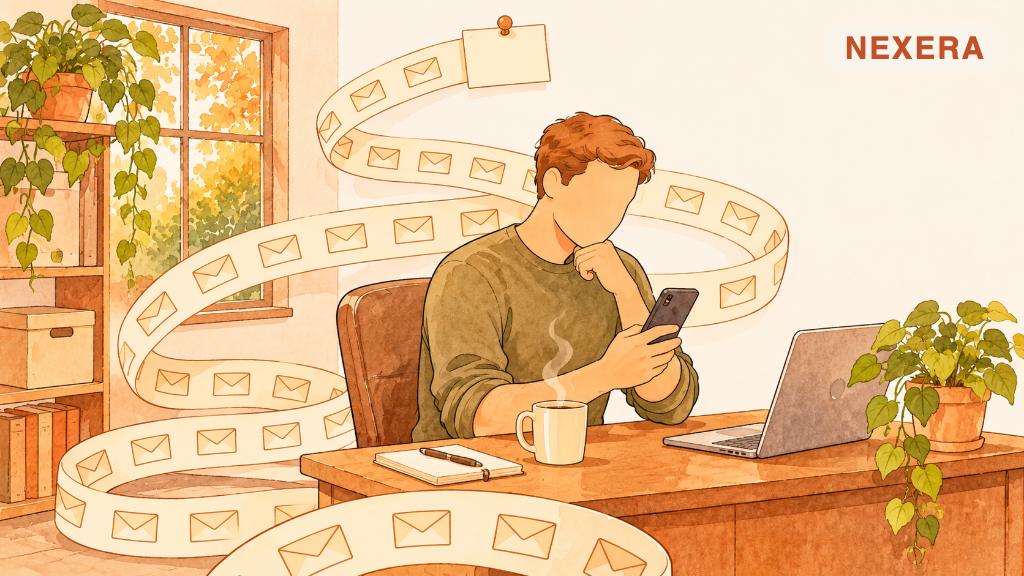
Picture a landscaping company owner on a Thursday morning. Coffee in one hand, phone in the other, twenty-three messages deep in a thread with a property manager about a spring install.
He doesn't scroll. He doesn't have to. At the top of the thread, a neat little summary tells him the client agreed to a Friday install at the revised price of $4,800.
He books the crew, orders the mulch, and moves a smaller job to make room.
Then he reads the actual thread that afternoon. The client wrote "Friday could work if the permit clears." The $4,800 was his own number, from his own message. Nobody on the other side ever said yes to it.
That's a hypothetical, but if you've ever run a business on email, it probably doesn't feel like one.
The Summary Is Now the First Read
On November 10, Google started expanding AI Overview summaries in Gmail to all Google Workspace users 18 and older. Long threads get a summary of the key points and replies at the top. Google says the features are on by default, and the rollout can take up to 15 days to reach everyone.
That's a useful feature. Long threads are where details go to hide, and most owners don't have twenty minutes to rebuild a conversation from message one.
But it changes how people read. When the summary sits on top, the summary becomes the read. The thread becomes the thing you open only when something already went wrong.
The question is no longer whether you have time to read the thread. It's whether you know when you have to.
Summaries Keep the Topic and Drop the Tense
This is where summaries slip. They're good at what a conversation was about. They're weaker on how sure anyone was.
"We could do Friday." "Friday might work." "Friday works." "Let's lock Friday." Those are four very different statements in a business. One is a suggestion, two are maybes, one is a commitment. In a two-line summary, they can all come out as "Friday install agreed."
The same thing happens with who said what. Your proposal and the customer's acceptance sit in the same thread, often a few messages apart. A summary that blends them can hand you your own offer back as if it were theirs.
None of this means the AI is broken. Compressing twenty messages into two lines means dropping something, and the words that get dropped first are the small ones: could, if, maybe, pending.
In most of business, those small words are the whole contract.
Meetings Now Come With a Scribe
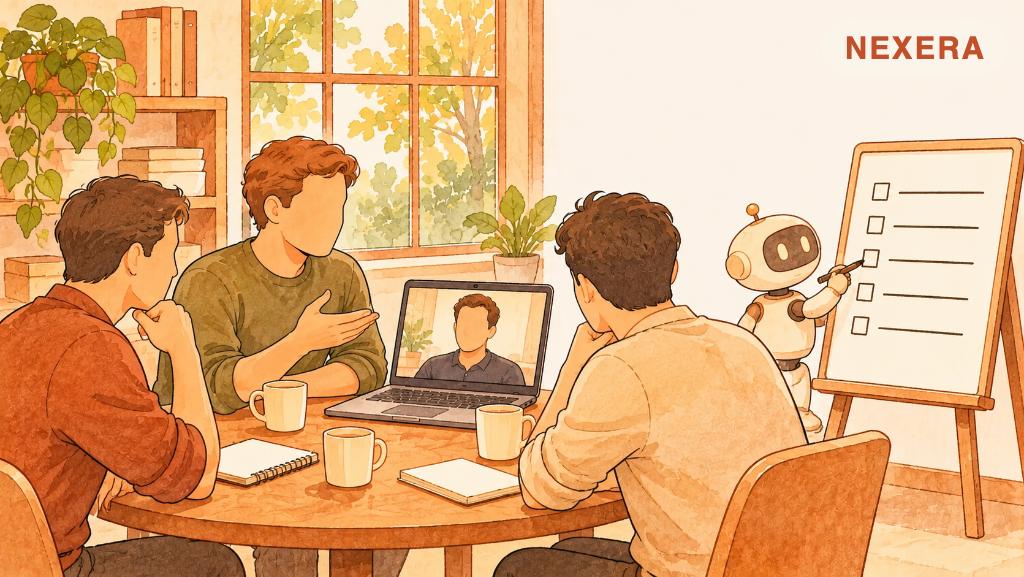
Email isn't the only place this is happening. Also on November 10, Anthropic launched Claude Meetings in beta for Team and Enterprise plans. Claude joins a Google Meet call as a visible participant, drafts the plan while people talk, and leaves the notes and action items in claude.ai after the call.
For a small team, that's real time back. The follow-up email that used to take half an hour after every call is mostly written by the time you hang up.
It also means the action list is now the record of the meeting. And action lists have the same blind spot as email summaries.
"Sam will look at the budget" and "Sam approved the budget" are one word apart. In the meeting, everyone knew Sam was being polite. Three weeks later, the list is all anyone remembers.
The AI wrote down what was said. It can't always tell what was meant.
Where This Actually Costs You
Most summaries will be fine. The risk lives in a narrow band of decisions, and it's worth naming them so you know when to slow down.
Anything that sends a crew or a delivery. Anything with a price or a discount in it. Anything with a deadline that someone else is planning around. Anything where the other side might later say "I never agreed to that."
If the summary is about a topic, read the summary. If the summary is about a commitment, read the sentence.
That's the whole rule. Everything else is habit.
Four Habits That Keep Summaries Honest
Open the source before you spend. Any time a summary leads to booking people, ordering materials, or sending an invoice, click into the actual message that made the commitment. It takes ten seconds. It's the cheapest insurance you'll buy all year.
Ask the AI for quotes, not conclusions. Most of these tools take follow-up questions. Instead of accepting "client agreed," ask: "List every commitment in this thread, who wrote it, and the exact sentence." You'll see "Friday could work if the permit clears" in black and white, attached to the right name.
Send a one-line confirmation back. "Confirming Friday at 8am, $4,800, pending the permit. Let me know if anything's off." This was good practice long before AI. Now it's the step that turns a summary into an agreement both sides can point to.
End meetings by reading the action list out loud. If you're using an AI notetaker, take the last two minutes to go through what it captured, with owners and dates. Ask each person if their line is right. Sam gets to say "I said I'd look at it, not that I approved it" while everyone is still on the call.
None of these slow you down much. They just move the checking to the moment it's cheap, instead of the moment the crew shows up to a site with no permit.

Let the AI Read. You Confirm.
Back to our landscaper. With one habit, his Thursday goes differently. He reads the summary, sees "Friday install," and asks the AI for the exact sentence. "Friday could work if the permit clears." He sends a two-line email asking about the permit and confirming the price. The client replies that the permit is a week out and $4,800 needs a sign-off from their board.
No crew wasted. No mulch sitting in the driveway. No awkward call.
The summary still saved him twenty minutes. It just didn't get to make the decision.
Summaries are going to be the first thing everyone reads, in every inbox and every meeting. That's fine. Just keep the last word for yourself.
If you'd like help setting up AI email and meeting tools so your team gets the time back without the surprises, Nexera Intelligence works hands-on with small businesses to make that happen.
Want one of these every other week?
Field notes from active Nexera engagements. No newsletter theater, no growth-hacks. Drop a line on a 30-min consult and we will add you to the rare-send list.