
Oct 27, 2026 - 6 min read
Everyone Uses AI. Almost Nobody Built It In.
86% of the owners in Goldman's new alumni survey use AI. Only 15% built it into how work moves. Here's how to close that gap.
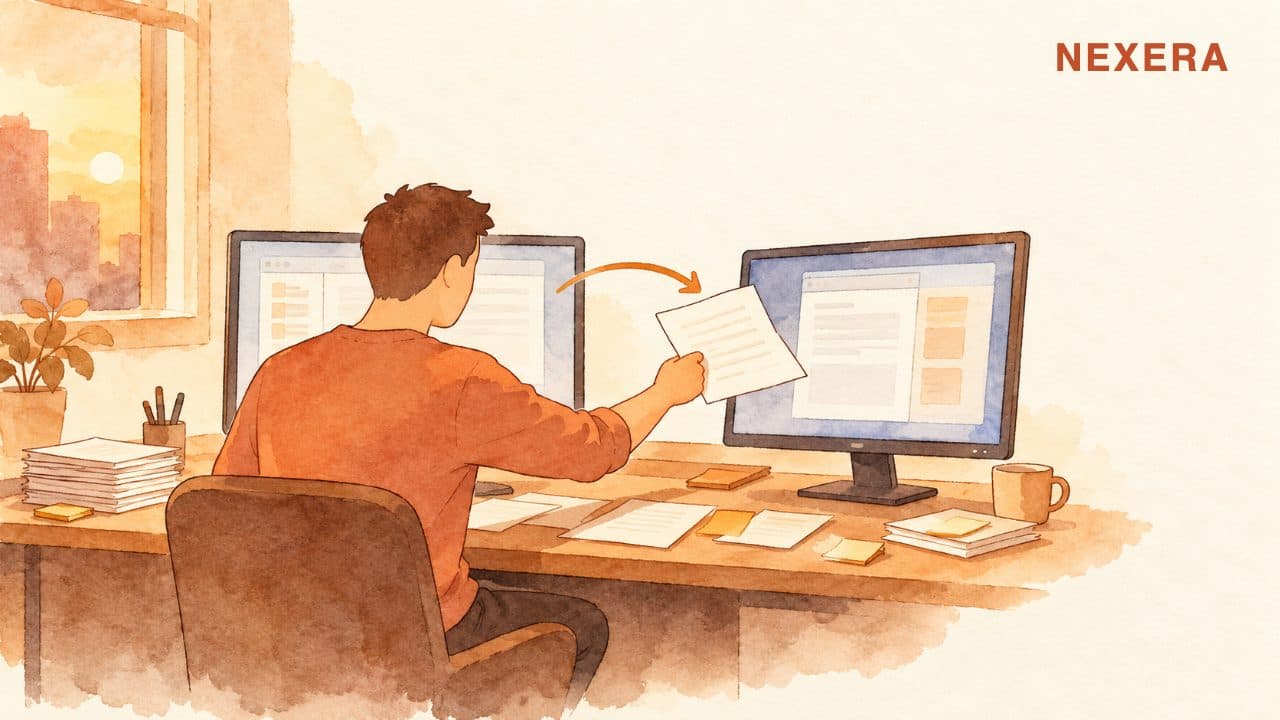
It's 4:40 on a Wednesday. A contractor has a customer email open on the left side of his screen and a chatbot open on the right. He copies the email, pastes it into the chat, asks for a polite reply with a rough price range, copies the answer, pastes it back into his email, fixes the name, then opens his CRM and types a note about it by hand.
He is using AI. He'd tell you so if you asked. And he's doing it the same way most owners are.
The AI wrote the reply. He did everything else.
The number behind the number
On October 22, Goldman Sachs announced a $500 million expansion of its 10,000 Small Businesses program, including a new Small Business AI Institute built with Anthropic, Google, Meta and OpenAI. Alongside it, Goldman published an alumni survey run by Babson College with 2,473 responses, fielded in August.
The headline figure is that 86% of the program's graduates now use AI, up from 56% in 2024. That's the number that gets quoted.
The more useful one sits a few lines down. Only 15% say they've fully integrated AI into their core operations. And 86% of the owners using AI rely on a standalone chatbot, which the report describes as their primary way in.
One caveat worth stating plainly: these are owners who went through a growth program, and Goldman itself notes the results may not represent every alum. Still, the pattern matches what I see in almost every first meeting. Nearly everyone has a chat window open. Almost nobody has AI wired into the way work actually moves.
Using AI and running on AI are two different businesses.
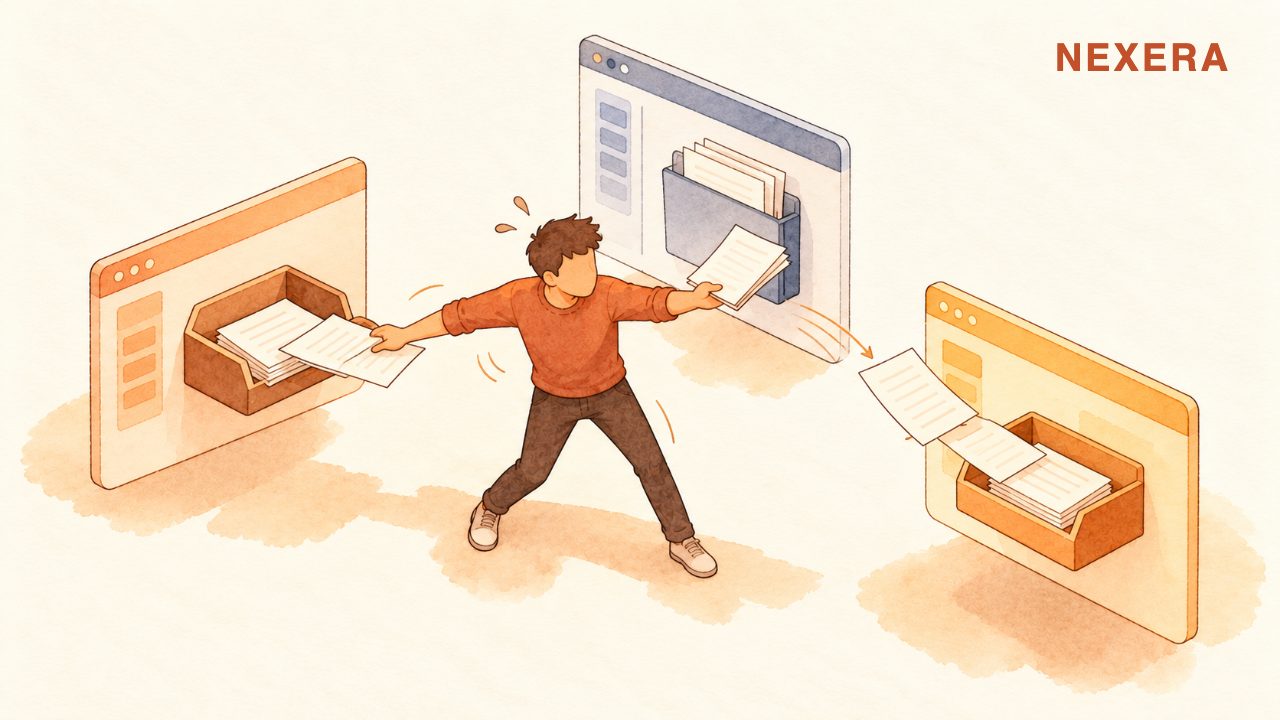
You are the integration
Here's what that contractor's afternoon really looks like. The AI does one step in the middle. He is the one who carries the work in, carries it out, and remembers to log it.
That works fine for thinking. A chat window is great for drafting a tough email, pressure-testing a price, or talking through a hiring decision. I use one every day for exactly that.
It breaks down for anything that repeats. Every copy and paste is a spot where something gets dropped: the follow-up that never got logged, the quote that went out with last month's numbers, the note that lives in one person's chat history and nowhere else.
The survey hints at this too. 63% of AI users use it daily, and 73% spend less than $100 a month on AI tools. That's a lot of daily use on a small budget, which usually means the same thing: one person, one chat tab, doing it all by hand.
If you are the glue, you are also the bottleneck.
You don't need a smarter model
The most interesting line from the Goldman announcement wasn't from the survey. It came from CEO David Solomon, who told Fortune there's very little the bank does that needs frontier models, the most advanced systems the AI labs release.
If one of the largest banks in the world doesn't need the newest model for most of its work, a 15-person business definitely doesn't.
This matters because a lot of owners are waiting for the "right" AI. They read about a new release, wonder if they should switch, try it for a week, and go back to pasting. The model was never the problem. The model can already write the reply. What's missing is everything around it.
The gap isn't intelligence. It's plumbing.
What "built in" looks like at your size
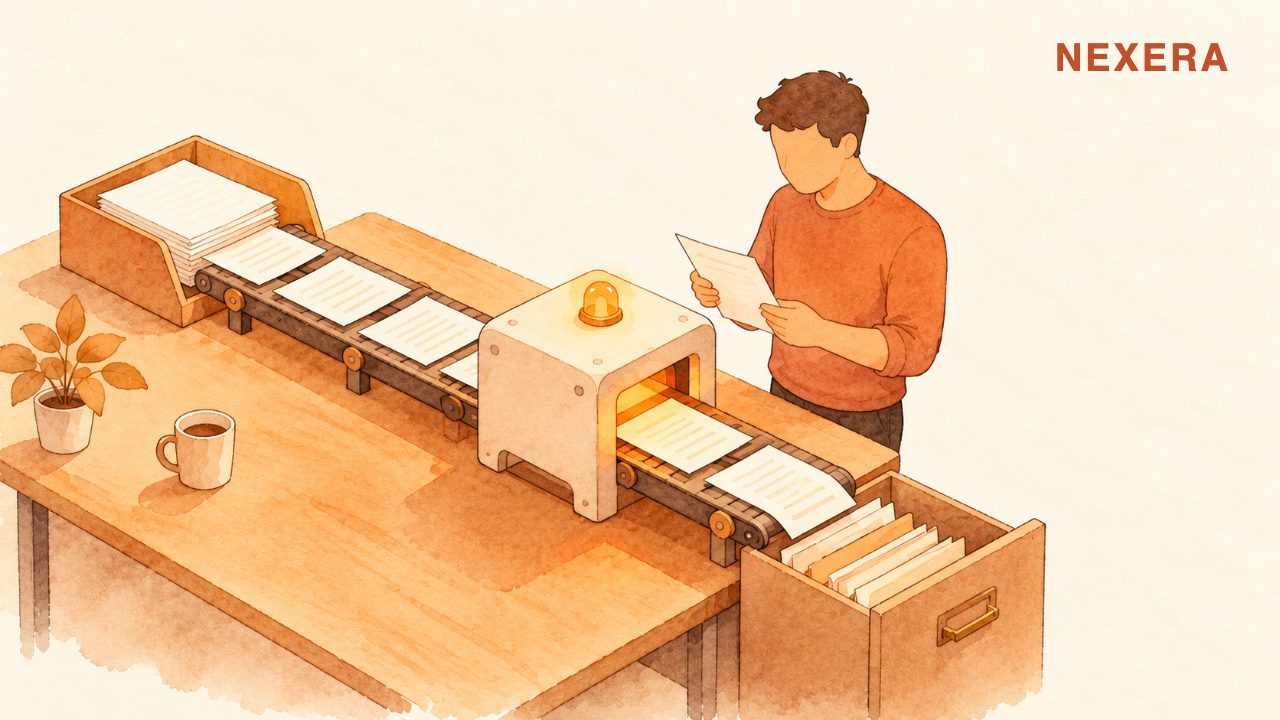
Full integration sounds like an enterprise software project. At a small business it is usually much smaller than that. It means one workflow where the work moves on its own and a person checks it at the right moment.
Take the contractor's estimate requests. Built in, it looks like this:
- A request comes in through the website form or the inbox.
- AI drafts a reply using his actual price ranges and service area, not whatever it guesses.
- The draft and a short summary land in the CRM, attached to the customer.
- He gets a notification, reads it, adjusts if needed, and hits send.
Same AI. Same owner making the final call. The difference is that he only touches the one step that needs his judgment. The pasting, the logging and the remembering are gone.
Every business I work with has three or four of these. Intake. Quotes. Follow-ups. Scheduling. Invoices that need a nudge. None of them need a breakthrough. They need someone to connect the tools you already pay for.
Start with what you paste the most
If you want to find your first one, try this for a week. Every time you copy something out of an AI chat and paste it somewhere else, make a tally mark next to where it went.
By Friday you'll have a clear winner. Maybe it's emails. Maybe it's your project management tool. Maybe it's the same weekly report you rebuild every Monday.
That's your first workflow to build in. Not the most impressive one. The most repeated one.
Then keep a few rules as you go:
- Keep a human approval step on anything that reaches a customer or touches money.
- Feed the AI your real information (price sheets, policies, past emails) so it stops guessing.
- Write down how the workflow runs, so it doesn't live in one person's head.
- Measure one thing before and after, like response time or hours per week.
Do one well before starting a second. Fifteen percent is not a ceiling. It's just the number of owners who got past the chat tab.

The chat tab is the starting line
There is nothing wrong with how most owners started. The chat window is how almost everyone learns what AI can do. But if a year from now the main way your business uses AI is still you, copying and pasting at 4:40 on a Wednesday, you're paying for help and doing the work anyway.
The tools are ready. The free training is multiplying. What most owners need now is the boring part: picking the workflow, connecting the pieces and making it stick.
That's the work we do at Nexera. If you want help finding the first workflow worth building in, let's talk.
Want one of these every other week?
Field notes from active Nexera engagements. No newsletter theater, no growth-hacks. Drop a line on a 30-min consult and we will add you to the rare-send list.