
Jul 30, 2026 - 6 min read
Free AI Training Is Here. Now the Hard Part.
OpenAI just started running free AI classes for small businesses, in person, around the country. Go take one. Then understand the part no class can teach you.

A man named Kevin English runs a company called Keg Built. He told OpenAI that on a single 30-page contractor quote, ChatGPT saved him at least ten hours of data entry. Not ten hours a month. Ten hours on one document. Cost, quantity, item numbers, all the line-by-line keying he used to do while the rest of the week stacked up behind him.
His quote is sitting in a corporate product announcement, which is usually where good stories go to die. It is also the most honest description of AI in a small business I have read all year. Nobody transformed anything. A guy got his Thursday back.
Last week, OpenAI built a program around owners like him.
The industry finally noticed Main Street
On July 21, OpenAI launched a ChatGPT for small business program. Free virtual training sessions. In-person AI academies held around the US. A library of guides and customer stories. Integrations and offers with the software small businesses already run on, including Shopify, Intuit, Slack, Dropbox, Atlassian, and Wix.
Read past the marketing and the shift is real. For three years the AI conversation was written for companies with a procurement department and a change management budget. The twelve-person HVAC company in Paramus was not the customer. Now it is, and the largest AI companies in the world are actively courting it.
They have run this before. Last November, OpenAI teamed up with DoorDash and SCORE for a Small Business AI Jam across five cities: San Francisco, New York, Houston, Detroit, and Miami. More than a thousand owners spent a day building alongside mentors. Accountants and attorneys, restaurants and food trucks, retailers, small marketing shops, salons, barbershops, repair companies.
By OpenAI's own count, 78% of participants walked out with a functional AI workflow that same day. 42% ended up saving more than five hours a week.

Go take the class
I sell AI implementation for a living, so weigh this however you like: go take the free class.
There is no version of this where sitting it out helps you. It costs nothing but an afternoon. The instruction is hands-on rather than theoretical. And the single most common thing I hear on a first call is not "we tried AI and it failed." It is "I know I should be doing something with this and I have no idea where to start." A room full of other owners in the same spot is a genuinely good cure for that.
You will leave with a working thing. That is the whole design of the day, and 78% is a good hit rate for a room full of people who did not know what a prompt was that morning.
Take the win. Then be honest with yourself about what you actually have.
The number nobody publishes
78% built something in a day. That is the encouraging figure.
The one I want to see is how many of those workflows were still running in March.
I do not have that number and neither does anyone else, because nobody measures it. But I have walked into enough businesses to know the shape of the answer. The tool works in the room. The person who built it goes back to a business where the phone rings, a job goes sideways, a truck breaks down, and by Thursday the workflow is a browser tab nobody opens.
This is not a criticism of the training. It is a limit on what any training can do.

A class teaches you the tool. It cannot teach you your business.
It cannot know that your quotes have to clear your operations lead before they go out, because you got burned in 2023. It cannot know that half your job intake arrives as a voicemail from a super who does not text. It cannot know which of your five spreadsheets is the real one. Nobody in that room knows any of that, and all of it decides whether the thing you built on Tuesday survives contact with your actual week.
The distance between "I can use ChatGPT" and "this runs a piece of my business" is not knowledge. It is design, wiring, and someone deciding what happens when the output is wrong.
Where I would point it first
If you go, or if you are just going to sit down with the tools on your own, here is the filter I use with clients.
Find the document you re-type. Every business has one. The quote that gets rebuilt from the last quote. The intake form that gets copied into the scheduling system. The invoice detail that gets keyed into the books a second time. It is always boring and it is always the thing that eats a Thursday.
Start there for three reasons. You already know what a correct output looks like, so you can tell instantly when the AI is wrong. The task repeats, so a fix pays you every week instead of once. And nothing catastrophic happens if it misses, because you are reviewing it anyway.
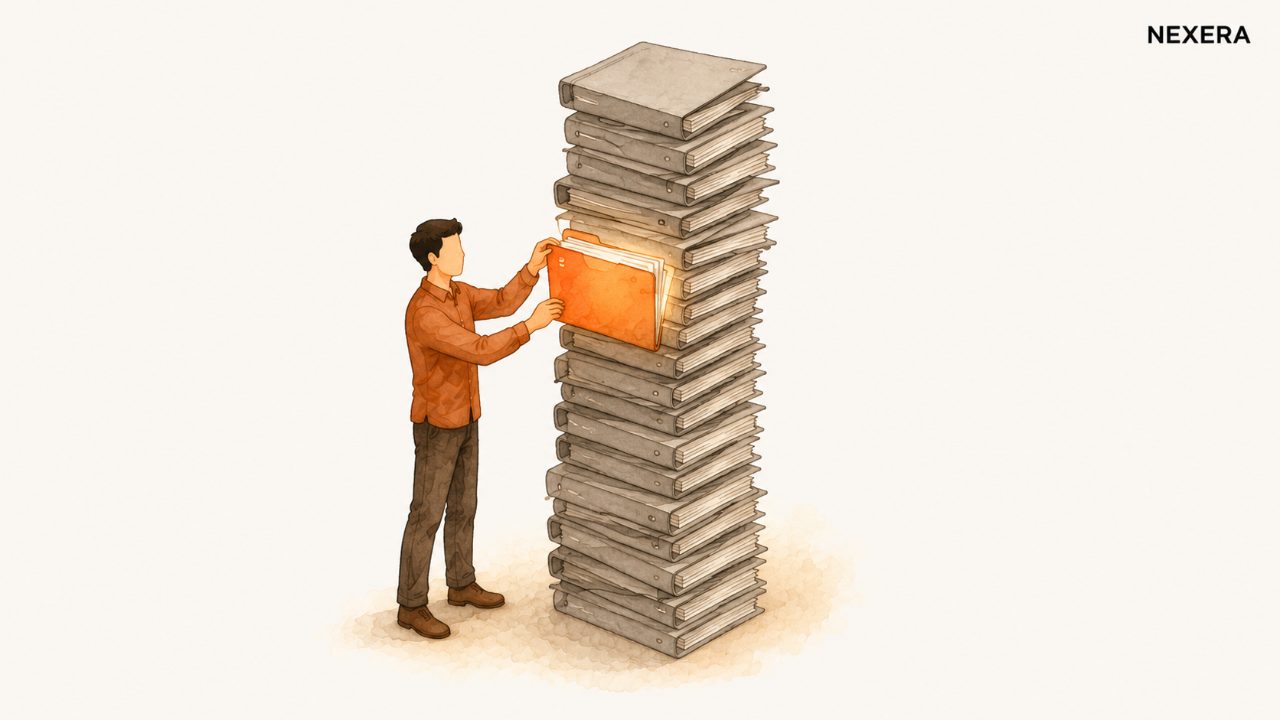
What I would not do is walk out of a free class and point AI at your most complicated problem, which is the instinct almost everyone has. The complicated problem is complicated because it involves judgment, exceptions, and people. That is the last thing you automate, not the first.
The tools got easier. The decisions did not.
The real story of the last month is not a new model. It is that the on-ramp finally got built for businesses your size, and it is largely free.
That is genuinely good news, and I would rather every owner I meet has taken the class than not. But cheap tools and free training move the bottleneck. They do not remove it. The bottleneck was never access. It was deciding which twenty minutes of your week to hand over, wiring it into the systems you already run, and keeping it alive after the enthusiasm wears off.
The class gets you to the starting line. The rest is your business, and nobody in that room knows it like you do.
If you have taken the training, built something, and watched it quietly stop getting used, that gap is the work we do. Come find us at nexeraintelligence.com and we can talk through what you already have.
Want one of these every other week?
Field notes from active Nexera engagements. No newsletter theater, no growth-hacks. Drop a line on a 30-min consult and we will add you to the rare-send list.