
Nov 4, 2026 - 6 min read
The Refund Photo Looked Real. The Cup Didn't.
AI made fake damage photos free to produce. How to keep honest refunds fast without paying out on the fake ones.
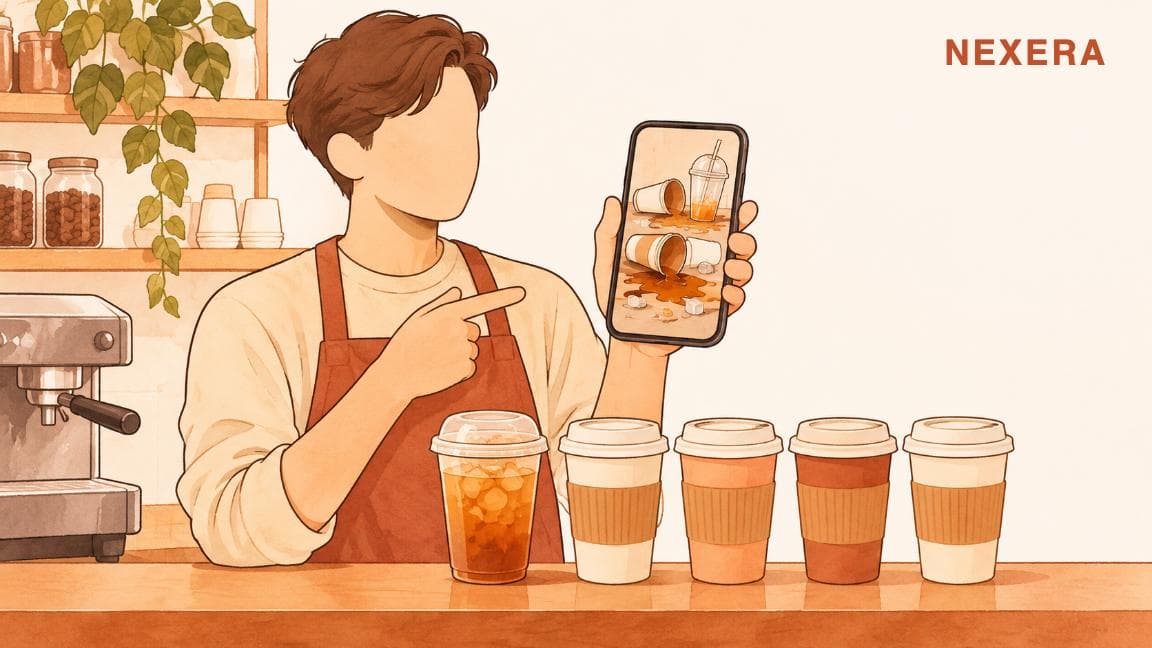
Late last month, a small café in Dubai got a refund complaint through a food delivery app. The customer attached a photo: drinks spilled across a takeaway bag, cups tipped over, a sticky mess.
Then the café looked closer, and the photo started falling apart.
The customer had ordered boba, but the pearls in the picture looked like sago. The text on the cup sleeves didn't match the café's branding. The cups and lids weren't the ones it uses. And the café seals its takeaway cups with tape, so a spill like that was hard to explain.
The café said the image was AI-generated and posted photos of its real cups so anyone could compare. According to Gulf News, it also pointed out that delivery platforms already take 32 to 45 percent of its sales in commissions and charges. Every refund comes out of what's left.
The café caught it because the people running it know their own cups. Most refund queues don't get that kind of attention.
A photo used to be proof
Think about how most small businesses handle a damage claim. A customer sends a message with a picture, and someone decides whether it looks real. If it does, the refund goes out.
For years that was a reasonable system. Faking a convincing photo of a cracked bowl or a torn sheet took real effort, and almost nobody was going to bother over a $40 order.
That effort is gone. Free image tools can take a photo of a perfectly fine product and add the damage in a few prompts, or invent the whole scene from scratch. A chatbot will happily write the frustrated message to go with it, worded around your return policy.
Earlier this year, Scott Tannen, CEO of New Jersey bedding company Boll & Branch, spotted a customer photo of "torn" sheets that still carried an AI watermark. Modern Retail reported that a look back through recent tickets turned up a handful of other likely fakes. The same story describes a bag brand getting a second photo of a rip that matched the first image exactly, and returns companies seeing fake shipping receipts used to claim a package was dropped off.
AI didn't invent refund fraud. It just made the evidence free.
The scale was already there
Returns were a big, leaky number before any of this. The National Retail Federation estimated U.S. shoppers would send back nearly $850 billion in merchandise in 2025, and that about 9 percent of all returns were fraudulent. Online orders come back at a higher rate than the overall average.
For a big retailer, fraud is a line item handled by a team and a stack of software. For a shop doing a few hundred orders a month, it's the owner refunding a $90 order on a Tuesday night because the photo looked bad and arguing felt worse.
That's the real exposure. Not a fraud ring. A process that says yes to any photo that looks bad enough.
Don't try to out-squint the machine
The tempting move is to get better at spotting fakes. Zoom in, look for melted text and strange edges. That works sometimes, today. It won't work for long, because these tools improve every few months and the obvious tells are the first thing they fix.
The café didn't win by being a better image detective. It won by comparing the photo against something the customer couldn't see: its own cups, its own sleeves, its own tape. That's the part worth copying.
In practice, it looks like this:
- Check the claim against your records, not just the picture. Do the item and packaging match what you actually sent? Is this the third damage claim from the same account?
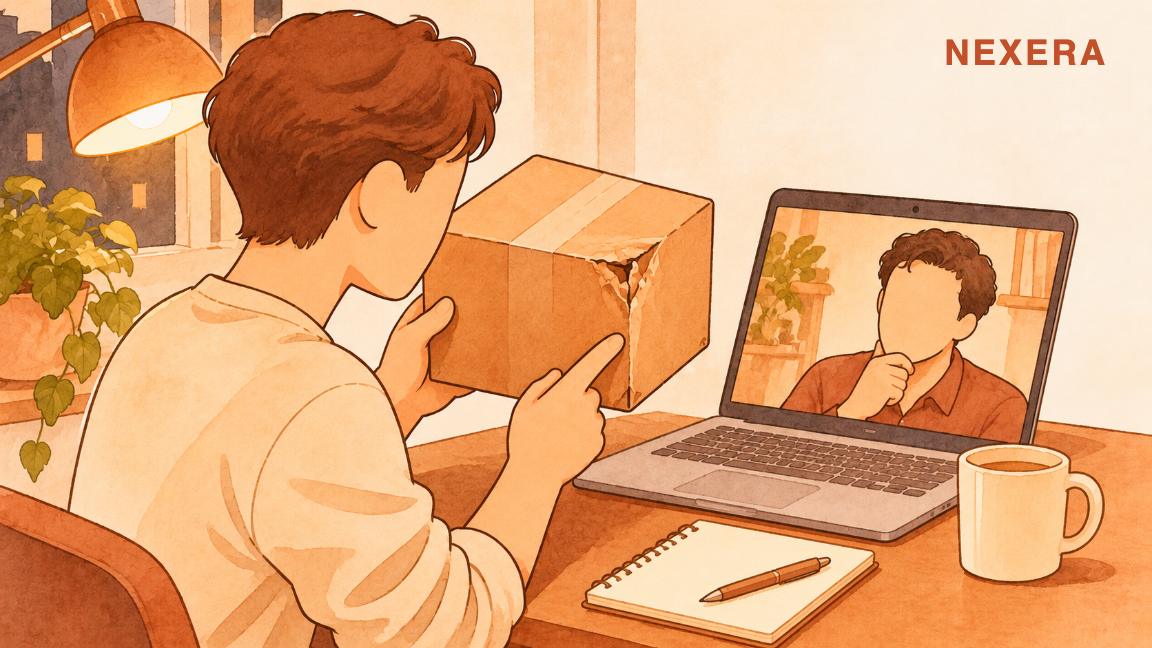
- Ask for something that's harder to fake on demand. A short video turning the item around, or a quick video call. Boll & Branch asked one customer for a FaceTime to look at the damage. The customer never responded.
- Set a dollar line. Below it, refund fast and move on. Above it, ask for a video or the item back before money moves.
- Write the request once and use it every time. Something like: "Sorry this happened. For orders over $100 we ask for a quick video of the item so we can make it right." Same words for everyone means nobody feels accused.
Keep it easy for the honest ones
There's a catch. Most of your customers are telling the truth, and a bad returns experience can cost you more than a few bad refunds. In the same NRF research, 71 percent of shoppers said they're less likely to shop with a retailer again after a poor returns experience.
So the goal isn't to make every refund painful. It's to add the extra step only where the money justifies it. If a new rule costs more in lost repeat customers and staff time than it saves, it's the wrong rule.
A simple test: would a loyal customer with a real broken item mind sending a ten-second video? Almost never. Someone working from a generated image tends to go quiet.
Let AI work your side of the counter
The same technology can help you. An AI assistant can go through your refund requests each morning, pull up the order history on each one, and flag the ones that don't add up: brand-new account, high dollar amount, third claim this year, packaging that doesn't match what you ship.
You still make the call. The assistant just makes sure your attention goes to the claims that deserve it, instead of whichever customer is loudest.
That isn't a fraud department. It's a clear rule and a few minutes a day.
Start with last month
If you do one thing this week, pull your last 30 days of refunds and damage claims. Sort them by dollar amount. Look at the photos on the top ten with fresh eyes, and check whether any account shows up more than once.
Most owners find nothing alarming. Some find a pattern they've been quietly paying for. Either way, you'll know where your line should sit before holiday returns start piling up.
The café knew its own cups well enough to spot the fake. Know your own orders that well, and a convincing photo stops being the only thing that counts.
If you want help setting up a refund check that stays fast for real customers and slows down the fake ones, reach out to us at Nexera Intelligence.
Want one of these every other week?
Field notes from active Nexera engagements. No newsletter theater, no growth-hacks. Drop a line on a 30-min consult and we will add you to the rare-send list.