
Oct 27, 2026 - 5 min read
You Cut the Vendor. Who's Doing the Checking?
Small businesses are dropping outside help for AI. The task moves over fine. The second look that came with it usually doesn't.

Say you run a twelve-person landscaping company. For three years you paid a small marketing agency $1,400 a month. In the spring you looked at what they actually produced, a few social posts, a monthly email, a seasonal mailer, and realized an AI tool could draft all of it in an afternoon. So you cancelled.
The first two months went great. The posts looked fine. The email went out on time. You kept the $1,400.
Then the fall mailer went to 3,000 homes with a spring cleanup offer that had expired in June, at a price you stopped charging last year. Nobody caught it, because the person who used to catch it was the agency.
The AI did exactly what it was asked. Nobody was asked to check.
Everyone is cutting the same line items
This is not a fringe move anymore. In Citizens' Q4 2026 Business Pulse, a survey of 500 business decision-makers fielded in early September, 94% of businesses using AI regularly across multiple functions said they had reduced or eliminated spending on at least one outside service. Marketing services led the list at 60%. Data analysis and reporting came in at 39%. Bookkeeping and accounting at 38%.
The savings are real enough that owners feel them. In PYMNTS Intelligence's October SMB Growth Monitor, a survey of 533 U.S. small businesses, frequent AI users estimated savings equal to about 16% of annual revenue. Those are owners' own estimates, not audited numbers, but the direction is clear.
I'm not here to talk you out of any of that. Paying an agency $1,400 a month for work AI can draft is a fair thing to question.
The problem is what else was on that invoice.
You were paying for more than the work
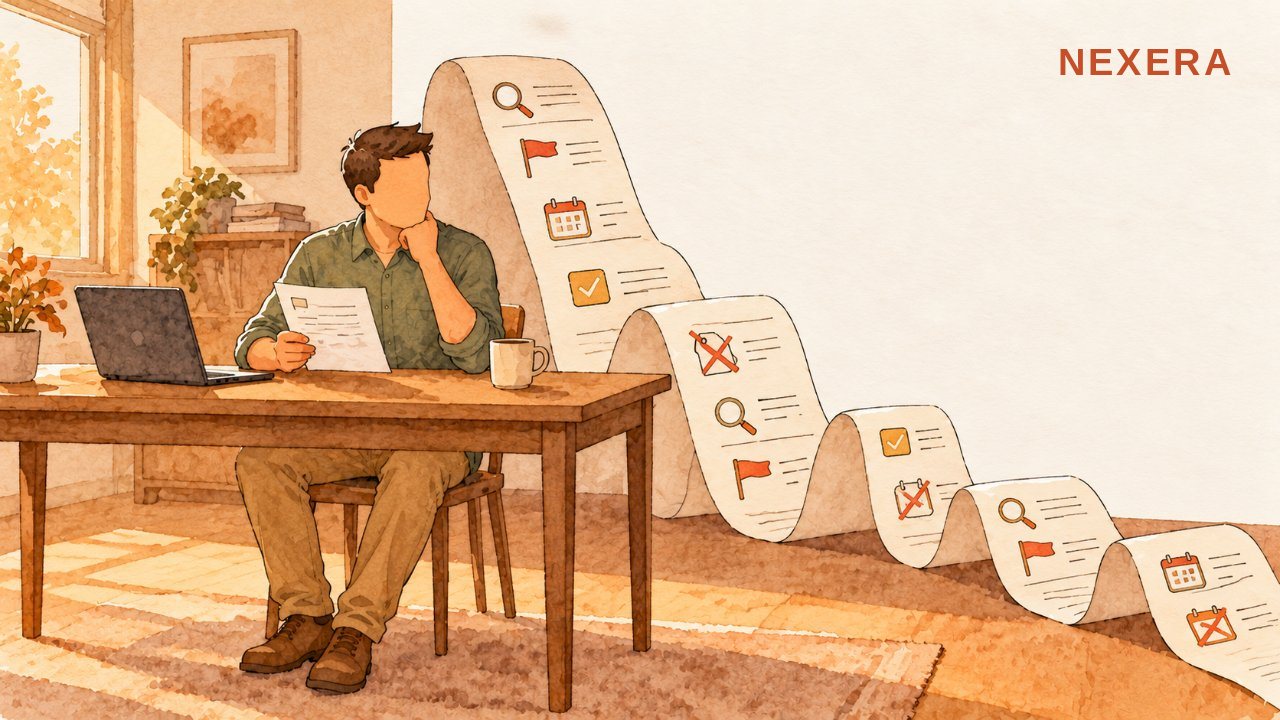
When you hire outside help, the deliverable is the part you can see. The part you can't see is everything a competent person does around it.
Your bookkeeper doesn't just categorize transactions. She notices the vendor who billed you twice. She asks why payroll jumped in March. She remembers that the truck loan has a balloon payment next year.
Your agency doesn't just write the mailer. They check the offer against your price sheet. They know you stopped serving the north side of town. They push back when an idea is a bad fit.
None of that shows up as a line item. It's judgment, memory and a second set of eyes, and it walks out the door the day you cancel. The AI picks up the drafting. Nobody picks up the rest unless you hand it to someone on purpose.
The work moved over. The checking didn't.
The repair bill is already showing up
The same PYMNTS survey has a number that should get every owner's attention. About 22% of businesses using AI reported extra work caused by AI errors. And 14% of small businesses said they've gained paid work fixing AI-generated output.
Read that second number from the other side. Somewhere out there, someone let AI produce the work, skipped the review, and then paid a small business to clean it up. For a lot of owners, the repair bill is the first sign that the second look was gone.
It also shows up in a quieter way. In that same survey, 23% of small businesses said they've gained customers who specifically want a person doing the work. Your customers notice the difference, even when your books don't.

How to cut the vendor without cutting the check
You don't have to keep paying for work AI can handle. You just have to be deliberate about the part it can't. Here's how I'd do it.
Write down the invisible work before you cancel. Sit down with the vendor, or just think back over the last year, and list every time they caught something, flagged something or said no. That list is the job you still need someone to do.
Downgrade before you cancel. A lot of agencies, bookkeepers and consultants will happily shift to a smaller review role. A quarterly look at your books instead of monthly bookkeeping. A one-hour check on each campaign before it goes out instead of a full retainer. You keep most of the savings and you keep the expert.
Give the check a name. If the review is moving in-house, it belongs to one specific person, not "the team." Put it on their calendar. A check that isn't on anyone's calendar doesn't happen.
Keep the source of truth outside the AI. Your current prices, service area, active offers and payment terms should live in one document that the AI reads from and the reviewer checks against. Most AI mistakes in small businesses aren't wild hallucinations. They're old information presented with confidence.
Track the misses next to the savings. If you're counting the $1,400 a month you stopped spending, also count the reprints, the refunds and the hours spent fixing things. Do that for a full quarter before you decide the switch paid off. Most owners only do the first half of that math.

What a good switch looks like
Back to the landscaping company. The version of that story that works looks almost the same, with two differences.
Before cancelling, the owner spends twenty minutes with the agency and writes down what they used to catch. Then he keeps them on for one hour a month to review anything that goes out to more than a few hundred people. The AI drafts everything. A person who knows the business reads it before it leaves.
He still saves most of the $1,400. The expired offer never goes in the mail.
That's the whole idea. AI is very good at doing the work you used to pay for. It is not yet good at knowing what your business looked like last June. Somebody still has to.
If you're looking at your vendor list and wondering which ones AI can replace and what you'd need to keep, that's exactly the kind of thing we help with. Learn more at nexeraintelligence.com.
Want one of these every other week?
Field notes from active Nexera engagements. No newsletter theater, no growth-hacks. Drop a line on a 30-min consult and we will add you to the rare-send list.