
Nov 11, 2026 - 6 min read
Holiday Customers Don't Come Back on Their Own
Three in four shoppers plan to try a new small business this season. Most owners have no plan to see them again. AI makes the follow-up the easy part.

Picture a candle shop on a Saturday in mid-December. There's a line to the door. The owner is wrapping, ringing, restocking the shelf by the window, and somewhere around the third hour he notices that most of the faces in that line are new. People he's never seen. They found the shop on a map, or walked past on the way to dinner, or got sent by a friend.
It's the best day of his year.
Then it's January. The shop is quiet, and he has no idea who any of those people were. No names, no emails, nothing but a stack of card receipts. Some of them loved the place. They'd probably come back for a birthday in March or a hostess gift in May. But nobody asked them to, so most of them won't.
That's not a hypothetical problem. It's the default.
Lots of new faces, almost no plan to keep them
Constant Contact released its Small Business Now holiday report on November 3, based on more than 1,800 small business owners and more than 2,600 consumers across the U.S., Canada, the U.K., Australia and New Zealand. The headline says it all: small businesses will win new holiday customers they aren't prepared to keep.
The numbers behind it are worth a second look. Three in four shoppers say they're looking to buy from a new small business this year. That's the good news. The other side: more than 70% of owners have no plan to invite new shoppers to join their email list or loyalty program. Only 39% plan to send follow-up emails with offers in the new year. And 22% have no plan at all.
So the season brings in a wave of people who already chose you once. Then most businesses let that wave roll right back out.
Getting a stranger through the door is the expensive part. Keeping them is the cheap part, and it's the part we skip.

Why the follow-up never happens
It's not that owners don't care. It's timing.
December is the one month when there's zero spare attention. Every minute goes to the register, the stockroom and the person in front of you. Asking for an email feels like slowing the line down. Writing a thank-you message in January feels like a project, and by then you're doing inventory and taxes and recovering.
The other reason is that "build a customer list" sounds like marketing, and marketing sounds like something you do when you have time. So it waits for a slow week that never shows up.
The same report found that more than 68% of small businesses plan to use AI to streamline operations this season, mostly behind the scenes: drafting marketing content, creating product images, forecasting inventory. That's the right instinct. The opportunity is pointing that same help at the step everyone drops.
The part AI actually handles well
Here's what changed. A couple of years ago, following up with a few hundred holiday customers meant writing messages, sorting lists and remembering who bought what. That's exactly the kind of work most owners don't have time for in January.
Now the writing and sorting take minutes. The tools most small businesses already pay for, like their email platform, their point-of-sale system or a general AI assistant, can do most of it. A few examples:
- Turn a messy export of December orders into a clean list, grouped by what people bought.
- Draft a short, warm thank-you for first-time buyers in your voice, with a reason to come back that fits the business.
- Write three versions of a February note so you can pick the one that sounds like you.
- Flag the customers who bought twice in December, because those are your future regulars.
What AI can't do is the part only you can do. Constant Contact's CEO, Frank Vella, put it well in the release: AI can draft the email in seconds, "but it's the florist who knows a customer orders peonies every spring who makes that message land." The machine writes the note. You know who it's for.
The hard part was never writing the email. It was finding an hour in January to do it.
A simple plan before the rush hits
You don't need a loyalty app or a new platform. You need four small decisions made now, while you still have a few quiet hours.
- Pick one way to ask. A sign at the register with a QR code, a line at online checkout, or one sentence your staff says while wrapping: "Want us to let you know when the spring stuff comes in?" Make it about something they'd actually want, not "join our newsletter."
- Give the list a reason to exist. Decide now what a new customer gets for signing up. It can be small. Early access to a restock, a note when a seasonal item returns, a modest thank-you offer in the new year.
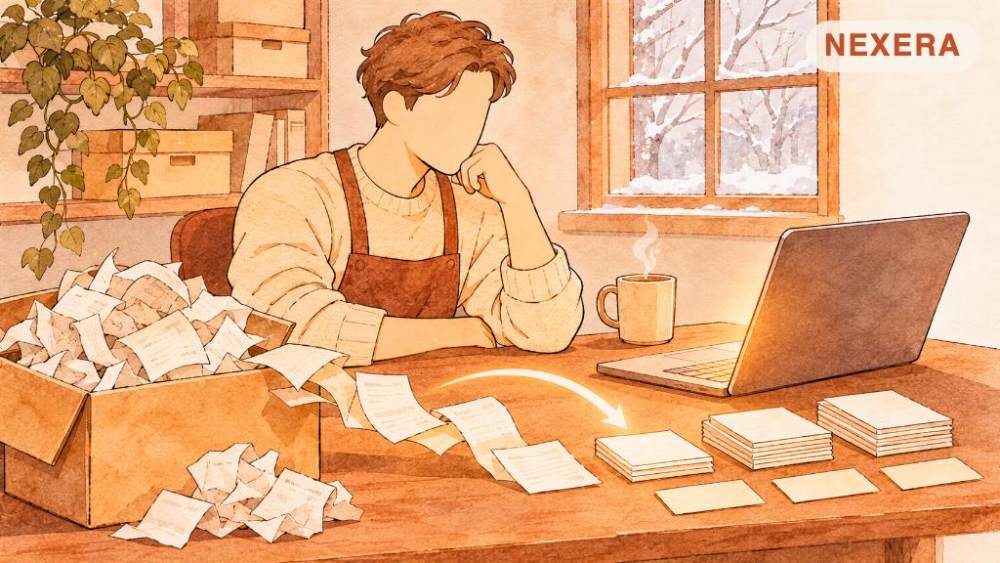
- Write the January message in December. Have an AI assistant draft it this week in your voice, tweak it until it sounds right, and schedule it. When January arrives, it goes out without you having to remember.
- Put a second note on the calendar. Vella's own example was bringing customers back in February and again in June. One thank-you is nice. A second, useful message a few months later is what turns a holiday shopper into someone who thinks of you first.
That's it. One ask, one reason, two messages. Most of it can be drafted in an afternoon.

The shoppers already picked you
The thing I keep coming back to is how much work goes into the first visit. The window display, the social posts, the discount, the extra staff, the long Saturdays. All of that to earn one moment where someone new walks in and buys something.
Then the follow-up, the cheapest and easiest step, gets skipped because there's no time to write it.
AI doesn't make your shop more charming or your products better. It just takes the busywork out of staying in touch, so the people who already chose you once actually hear from you again.
The holiday rush gets you new customers. January decides whether you keep them.
If you want help setting up a simple follow-up system before the season peaks, or figuring out which of the tools you already pay for can handle it, reach out at nexeraintelligence.com. Happy to help you keep the customers you worked so hard to earn.
Want one of these every other week?
Field notes from active Nexera engagements. No newsletter theater, no growth-hacks. Drop a line on a 30-min consult and we will add you to the rare-send list.