
Nov 5, 2026 - 5 min read
Meta's AI Edits Your Ads. The Risk Is Yours.
Meta's updated ad terms take effect November 20, and one line in them says you own whatever its AI produces. Here is what to check in your ad account first.
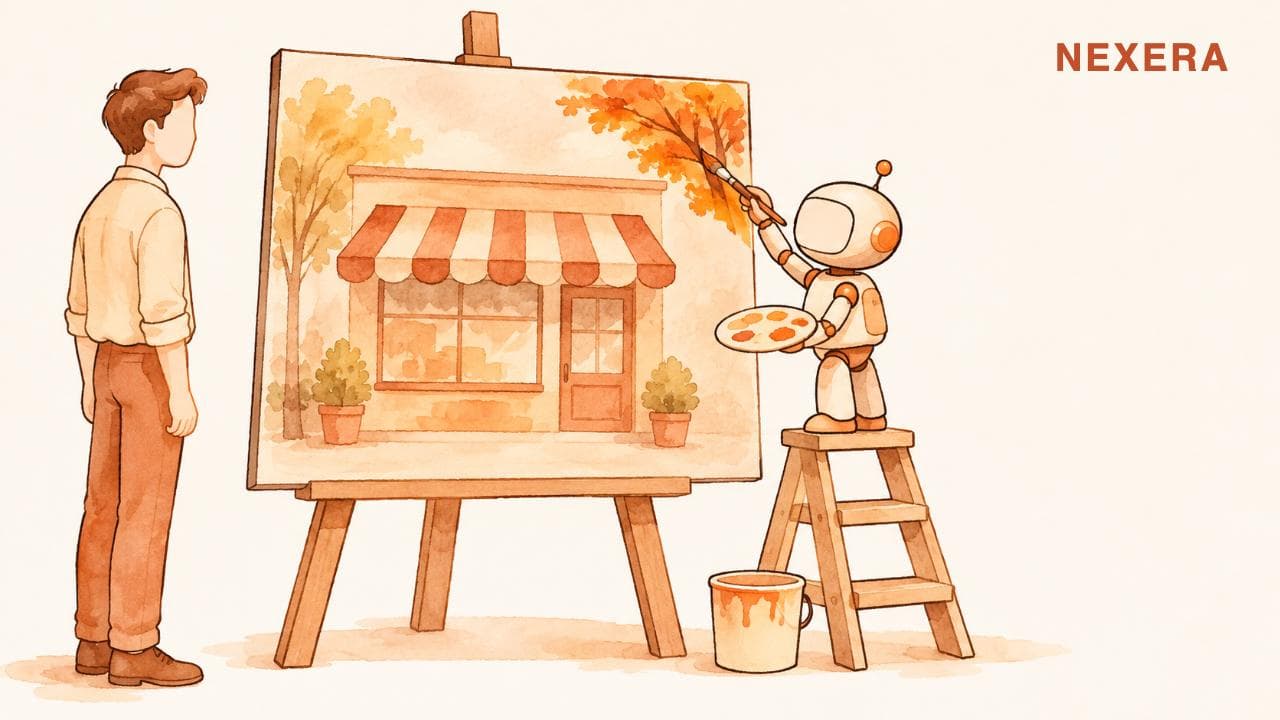
A client called me last month about a photo.
He runs a home services company in North Jersey. Twenty-odd people, steady work, and a Facebook page he posts to maybe twice a week. He had boosted a job-site photo, the kind he has posted a hundred times. A crew member standing next to a finished install.
Except the photo in the ad was not the photo he uploaded. Brighter. Sharper. The sky looked like a different day. Nothing scandalous, nothing that would get him in trouble. Just not his.
He wanted to know if he had clicked something wrong. He had not.
The line that takes effect on November 20
Meta rewrote its Commercial Terms and Self-Serve Ad Terms this fall. The Self-Serve Ad Terms are the ones you agree to when you run ads yourself, without an agency in the middle, which is how most small businesses do it.
The new version was supposed to bind every business using Meta's products on October 30. Meta pushed it to November 20 after publishers and advertisers pushed back, telling Reuters it wanted more time to explain what was changing. As of today that is the date.
Inside it there is a section on AI features. It says those features may make mistakes and may not always produce accurate, complete, or suitable results. Then it says the business is solely responsible for and assumes any and all risks associated with those AI features and any resulting content.
Read that sequence slowly. Meta builds the tool. Meta says the tool gets things wrong. You carry it.
Nobody turned these on
Here is the part that actually matters for a small business, and it is not the legal language.
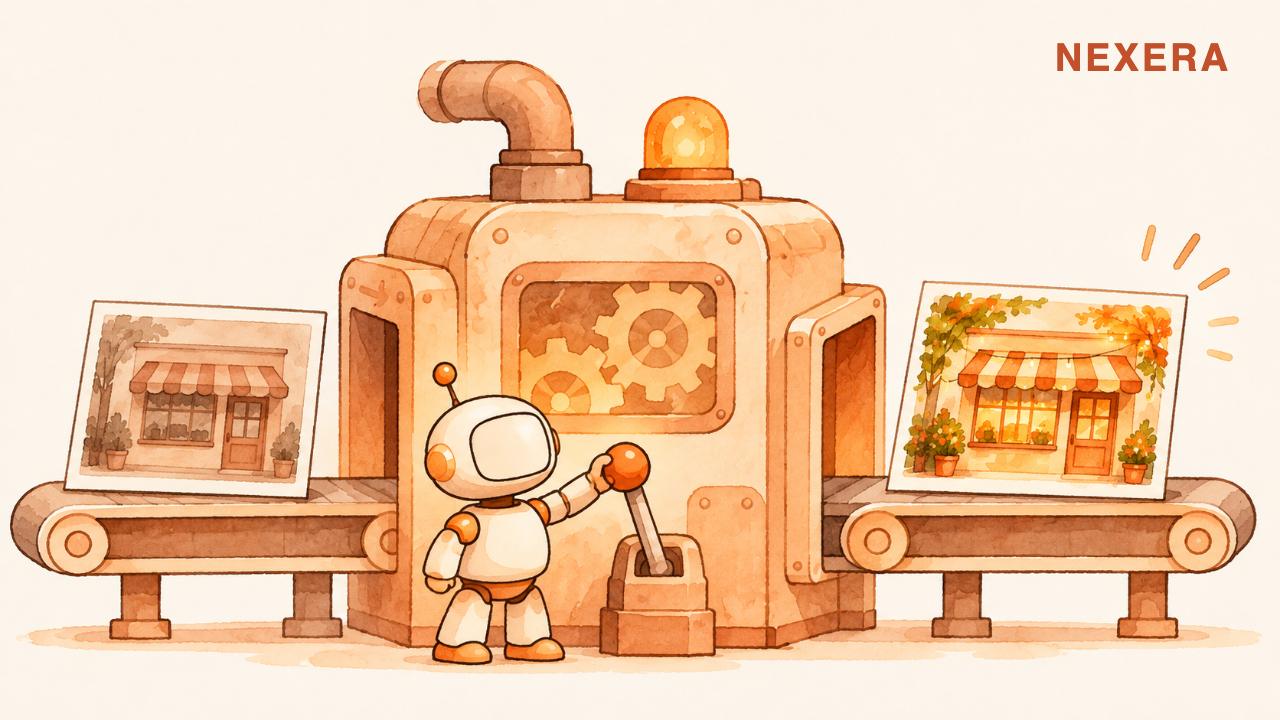
The earlier version of these terms put the risk on you when you chose to use Meta's AI creative tools. The new wording reaches further, covering features Meta switches on itself.
And it does switch them on itself. Ryan Adams, a paid search and social specialist at the agency Exverus, told PPC Land that Meta auto-applies the enhancements and that many of the options sit in hidden or collapsed menus. If every one of those is not manually unchecked, the enhancements still apply. His agency found them running on campaigns where nobody had enabled anything.
The enhancements are not exotic. Added sitelinks. Copy translated into another language. Generated images. Carousels assembled out of your assets. Meta also turned on product browsing inside existing ads in late October unless advertisers opted out ahead of time.
So the sequence for my client was: he uploaded a photo, a system he never enabled adjusted it, and the contract he is about to accept says the result is his responsibility.
A Meta spokesperson has said advertisers can switch off individual features in Ads Manager. That is true and it is worth doing. What has not been answered is the obvious follow-up question, which is whether you are on the hook for a feature you never switched on in the first place.
What to do before the twentieth
None of this requires a lawyer. It requires an hour in your ad account.
Open Ads Manager and go through your active campaigns one at a time. Expand every collapsed menu in the creative section. The toggles you are looking for are the ones that let the platform adjust images, generate text, add sitelinks, translate copy, or build new formats from your assets. Decide each one deliberately instead of leaving it at the default.
Then look at what is already live. Pull up your running ads the way a customer sees them, not the way they look in the editor. Compare them to what you actually uploaded. If something has been altered, you want to know now rather than after a customer points it out.
Write down what you find. If an ad was changed and you did not change it, screenshot it with the date. That record costs you nothing and it is the only version of events you control.
If you have an industry where claims get regulated, this is the week to take it seriously. Contracting, lending, health, anything with a license behind it. An AI-sharpened before-and-after photo is a different thing in a trade where the photo is the claim.
One more item that gets missed. Businesses in the US get thirty days from first accepting the terms to opt out of arbitration. If you want that option, the clock starts when you accept, not when you get around to reading it.

The honest part
I am not going to tell you Meta is doing something lawless here. Vendors have always disclaimed responsibility for their own output, and the liability under these terms is still capped at the greater of a hundred dollars or what you paid in the last twelve months. That cap is the real ceiling on your exposure to Meta.
What changed is not the harshness of the clause. It is the surface area it covers. When a tool only did what you asked it to do, a clause like this barely mattered. Now the tool makes choices, on by default, inside work you already approved, and the same clause means something very different.
That is the pattern worth carrying past this one platform. AI features are showing up inside software you already pay for, switched on without being asked for, and the terms attached to them are getting broader at the same time. Nobody sends you a contract. You get a banner.
The actual job
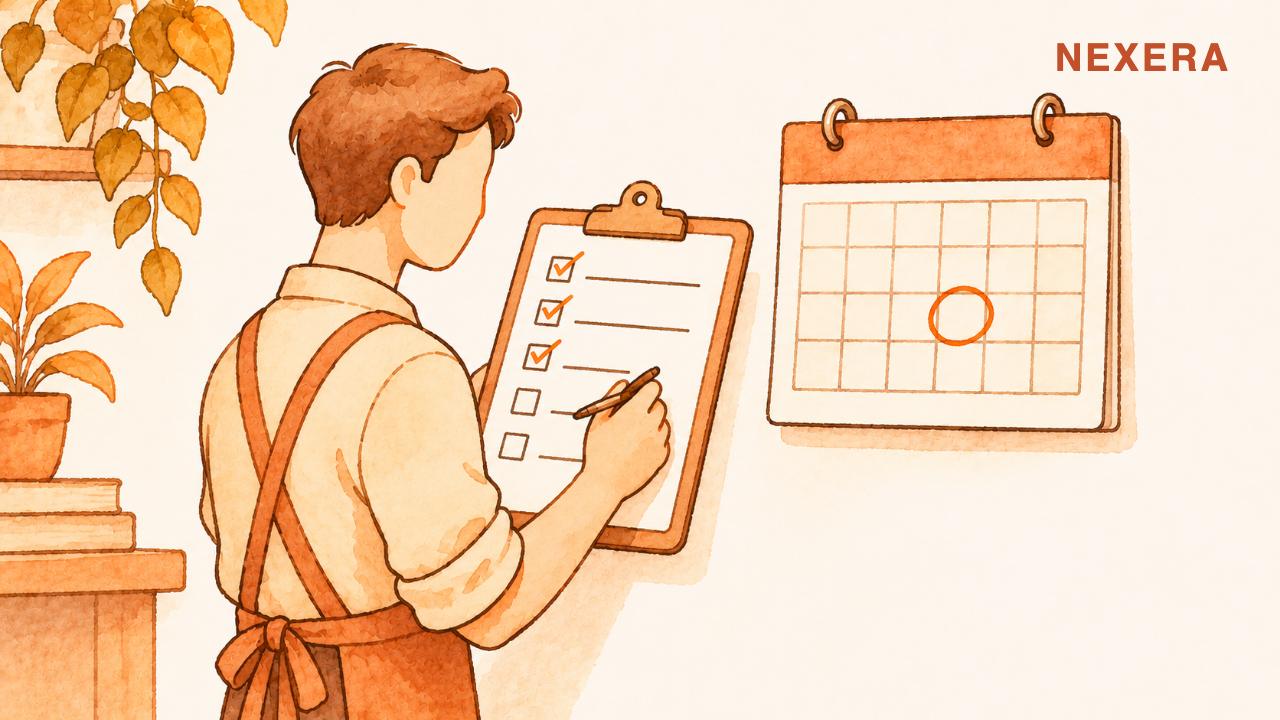
The work here is small and it is dull, which is why it does not get done. Know which AI features are running in the tools you already use. Turn off the ones making decisions you would want to make yourself. Keep a record of what the tool produced in your name.
You do not have to fight the terms. You do have to know what is running.
If you want someone to go through your ad account and your other tools with you before the twentieth, that is a short, cheap piece of work and it is the kind of thing I do most weeks. You can find me at nexeraintelligence.com.
Want one of these every other week?
Field notes from active Nexera engagements. No newsletter theater, no growth-hacks. Drop a line on a 30-min consult and we will add you to the rare-send list.