
Jun 25, 2026 - 5 min read
Your Phone Now Answers Itself
I booked an appointment with an AI last week and never realized it was not a person. Voice AI crossed a line this year. Here is how a small business should actually use it.

I called a flooring company last Tuesday to book an estimate.
A woman answered on the second ring. She asked what kind of floors, how many rooms, whether I owned the place or rented. She found me a Thursday slot, read it back, and texted a confirmation before I hung up. Ninety seconds, start to finish.
It was only when the text landed, signed "your AI scheduling assistant," that I realized I had not spoken to a person at all.
A year ago that call would have been a robotic phone tree. Press one for sales. Sorry, I didn't catch that. This time it was just a normal conversation, and I never noticed the difference.
That shift is bigger than it sounds, and most owners have not clocked it yet.
The line voice AI quietly crossed
For years, AI on the phone was a punchline. The voice was flat. It missed what you said. It looped you back to the same menu until you mashed zero and begged for a human.
That is over.
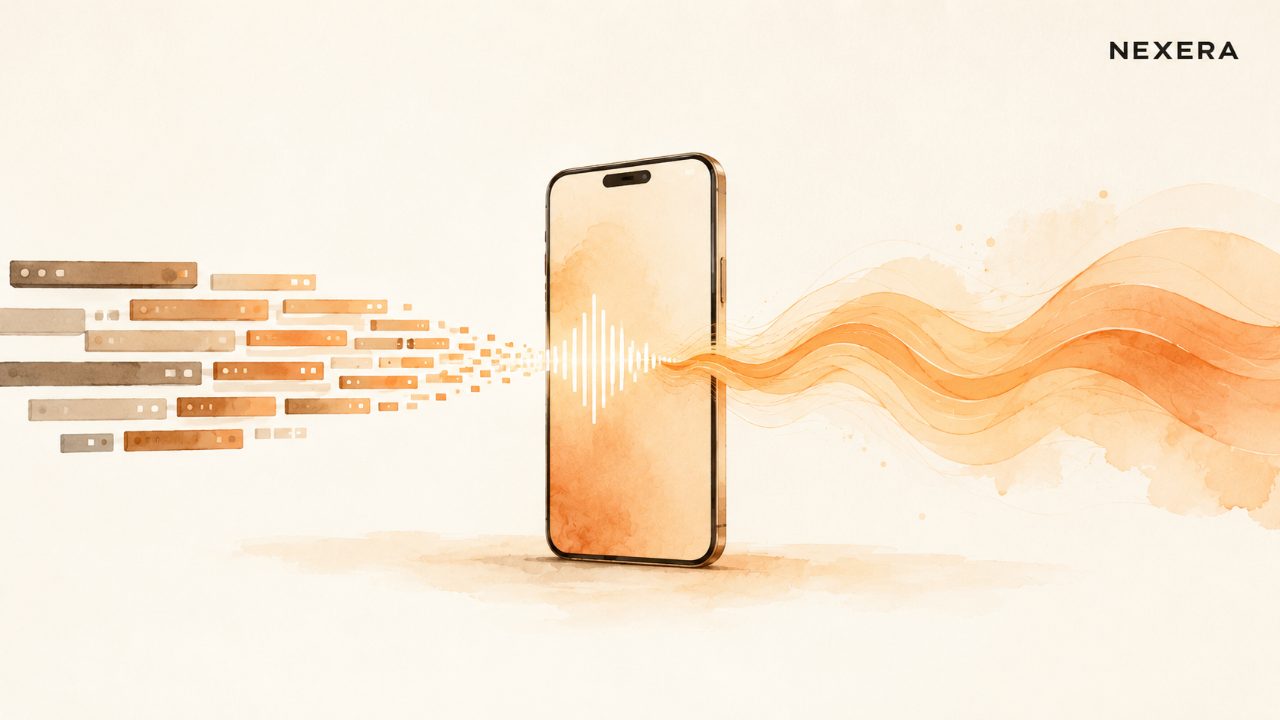
The voice models that shipped this year hold a real back-and-forth. They handle interruptions. They pause in the right places. They catch that you changed your mind mid-sentence and adjust. The uncanny gap, the thing that used to make your shoulders tense the second a machine picked up, mostly closed. Nearly every phone system and answering service rolled out a version of this in 2026. It is one of the biggest things happening in small business software right now, and it happened fast.
I am not telling you this to sell you on robots. I am telling you because the thing you wrote off as not good enough in 2024 is a different product now. The businesses still treating it like the old version are about to get out-answered by the ones that did not.
The tools got good while you were not looking.
The math is hard to argue with
A full-time receptionist in the United States makes around $37,000 a year, according to the Bureau of Labor Statistics, before you add benefits, sick days, and the lunch hour when your best lead happens to call.
An AI that answers every call, day or night, runs you tens of dollars a month. Not thousands. Tens.
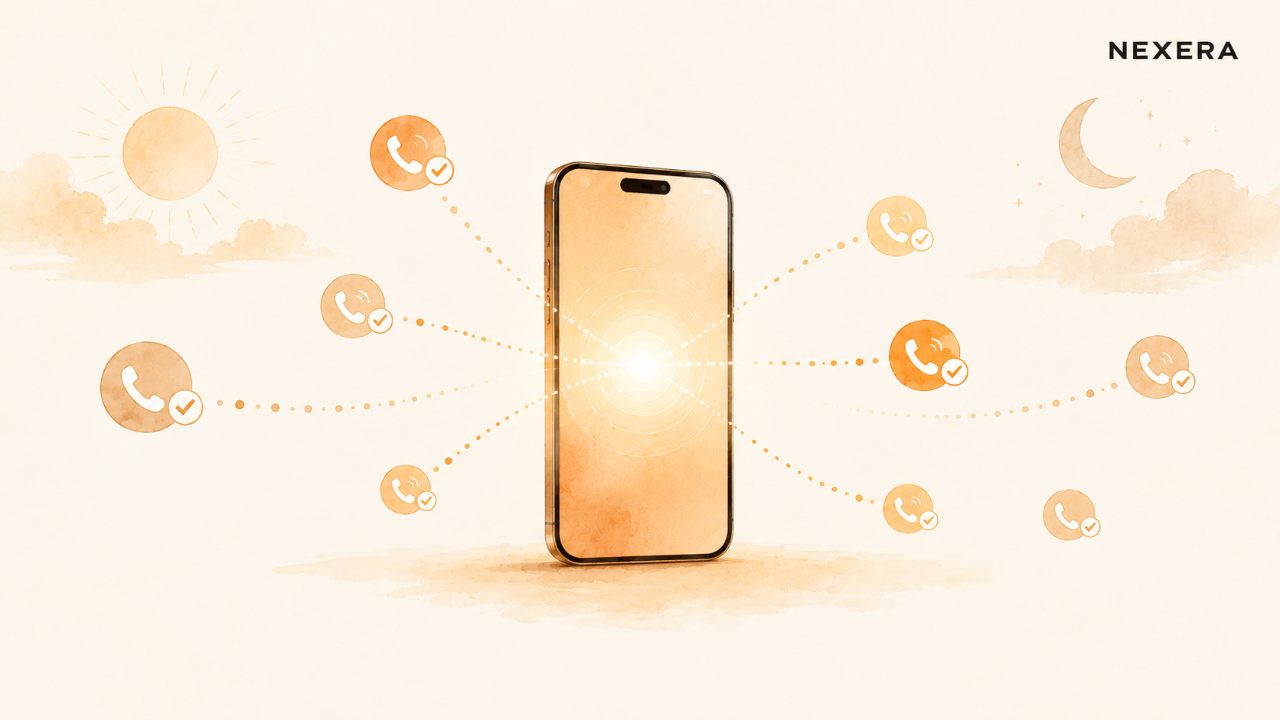
And it never goes to voicemail. That is the number nobody puts on a spreadsheet. The estimate you did not book because the call came in while you were under a sink. The new patient who tried once at 7pm, got your machine, and dialed the next clinic on the list. Those calls never show up as a cost. They just quietly never become customers.
A machine that picks up every single time is not a downgrade from a great receptionist. For most small businesses, it is an upgrade from a missed call.
Where this goes sideways
Now the warning, because I have watched people get this wrong.
The mistake is treating "AI answers the phone" as something you switch on and walk away from. Buy the cheapest tool, point it at your number, assume the problem is solved.
Then a customer calls with a real question the bot was never taught, hits a wall, and there is no human to catch them. Or it happily books an appointment for a service you stopped offering in March. Or it sounds nothing like your business, and the warm, local feel you spent years building gets swapped for something that could be answering for anyone.
An AI on the phone is not a receptionist. It is a very fast, very tireless front desk that does exactly what you set it up to do, and nothing you forgot to.
Set it up carelessly and it will answer every call beautifully while sending half of them to the wrong place.

How to actually use it
The businesses getting real value out of this are not the ones with the fanciest setup. They are the ones who drew a clear line.
Let the AI own the boring, repeatable 80 percent. Hours, directions, are you open Sunday, do you take my insurance, booking a standard appointment, taking a message with the details that actually matter. That is the work that eats your day, and a machine genuinely does it well.
Then hand off the rest. The upset caller. The unusual request. The big job that deserves a real conversation. A good setup spots those moments and routes them to a person fast, with context, instead of trapping the caller in a loop.
Two more things, and they are the ones people skip. Make it sound like you, not a generic call center, because the voice is the first impression now. And listen to what it actually says every couple of weeks, the way you would coach a new hire through their first month. The tool does not improve on its own. You point it in the right direction.
Do that and you stop losing calls without losing the thing that made people want to call you in the first place.
Taking the human out of your business was never the goal. Answering the phone was.
If you are trying to work out where a tool like this fits, and where it absolutely does not, that is what we sort through with owners every week at Nexera Intelligence. No pitch. Just a straight read on what is worth your time.
Want one of these every other week?
Field notes from active Nexera engagements. No newsletter theater, no growth-hacks. Drop a line on a 30-min consult and we will add you to the rare-send list.