
Jul 2, 2026 - 5 min read
The Invoices You're Too Polite to Chase
The money you're owed usually isn't stuck behind a difficult client. It's stuck behind the second reminder you never sent. AI finally sends it.
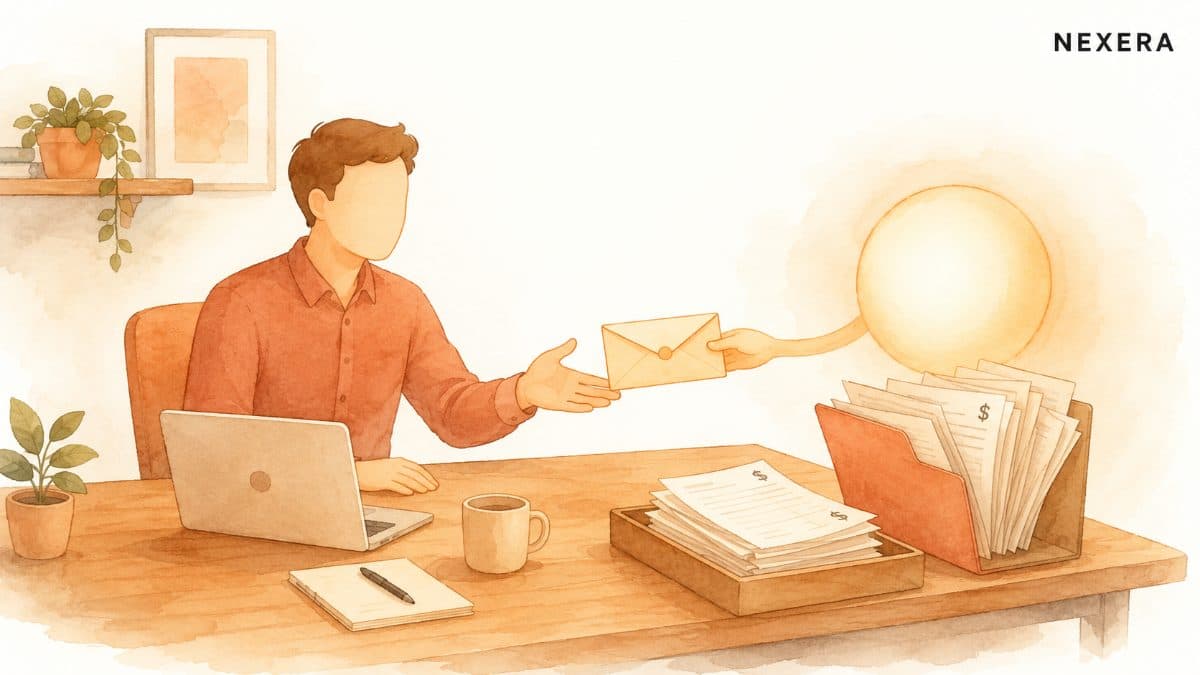
A contractor I know keeps a folder on his desk labeled "Follow Up." Last time I was there, it had a little over $20,000 in it. Finished jobs. Sent invoices. Money he was owed and hadn't gone after.
The clients weren't refusing to pay. Most of them had just forgotten, and he'd never sent the second reminder. Every time he opened that folder, the same small voice showed up: sending it again feels like begging. So he closed the folder and went back to running the actual business.
That folder is in almost every small business I walk into. Sometimes it's not paper at all. It's an aging report nobody opens, or a row of invoices quietly turning from green to red. The money is real. It's just parked behind the most awkward task an owner has.
Nobody avoids getting paid. They avoid asking twice.
Here's the part that surprises people. Most unpaid invoices are not a collections problem. They are a follow-up problem.
A client gets your invoice, means to pay it, gets busy, and it slides down the inbox. Nothing personal, nothing dramatic. It just needs a nudge. And the nudge is exactly the thing that doesn't happen, because you are the one who has to send it, and you would rather do almost anything else.
So the invoice ages. Thirty days becomes sixty. By the time it feels urgent enough to chase, the conversation is heavier than it ever needed to be. The tool was never the problem. The silence was.

The follow-up got handed to the software
This is the quiet shift that happened while most owners weren't looking. The accounting and payment tools you already pay for stopped waiting on you to remember.
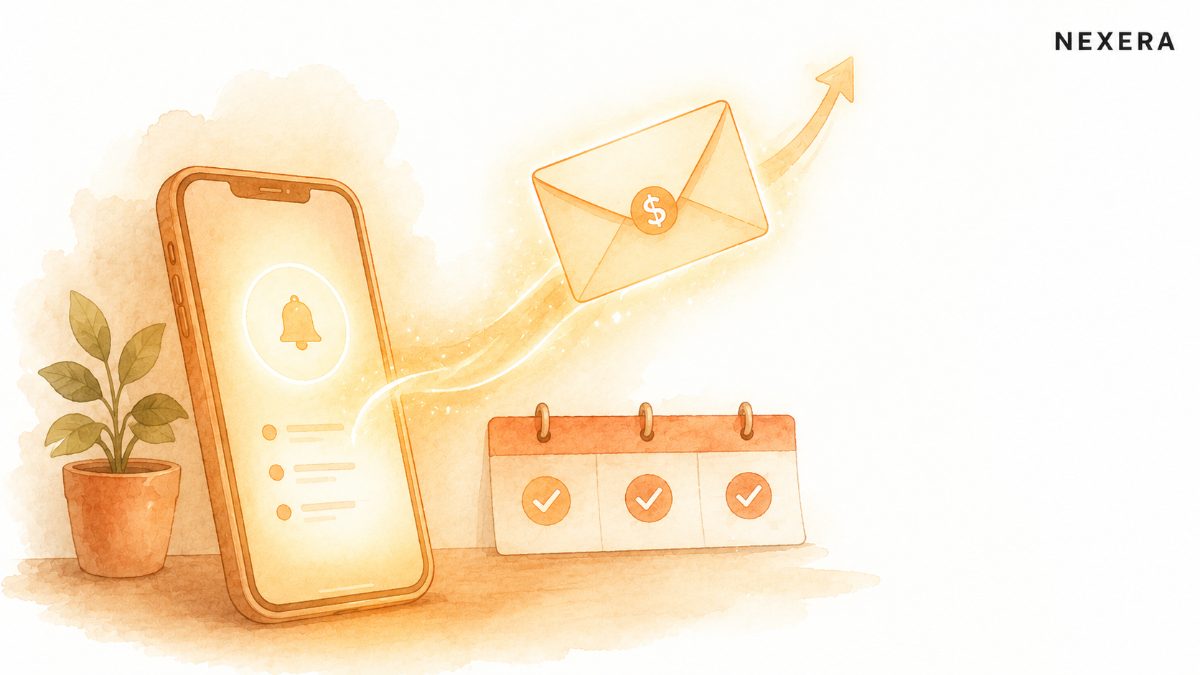
The 2026 versions don't just show you an overdue invoice. They notice it, write the reminder, match the tone to the client and the situation, and set it in front of you to send. You read it, you tap send, you move on. The awkward part, deciding to reach out and finding the right words, is already done before you feel the friction.
Intuit put real numbers behind this with the assistant built into QuickBooks. By its own figures, businesses using the AI-drafted reminders get paid about 45% faster, roughly five days sooner, and overdue invoices are 10% more likely to be paid in full. Those are the company's own beta numbers, so read them as directional. But the direction is the whole point. The money was always there. Someone finally asked for it, on time, every time.
It works because the machine doesn't feel weird about it
The reason this lands is not that AI writes a better payment reminder than you do. You could write a perfectly good one. The reason is that AI doesn't dread sending it.
It has no pride to bruise. It doesn't wonder whether the client will think less of you. It sends the friendly note on day eight, the firmer one on day twenty, the direct one on day thirty, in the same even tone every time, whether you are having a great week or a terrible one. Consistency is the entire game in getting paid, and consistency is exactly what an owner juggling a real business can't reliably deliver by hand.
That is the actual product here. Not smarter writing. Removed hesitation.
Keep your hand on the accounts that matter
None of this means you point it at everything and walk away. Getting paid is still partly about relationships, and relationships need a person.
The routine stuff is safe to let the system carry: the client who always pays a week late, the small recurring invoices, the gentle first nudge. Where you want to stay hands-on is the judgment. The big account you can't afford to annoy. The client going through a rough stretch. The invoice that's late because there's a real dispute underneath it. Those don't need a faster reminder. They need you to pick up the phone.
Set the tone once so the automatic messages sound like you and not a collections notice. Then watch the queue for the first couple of weeks, the way you'd watch anything new that goes out under your name. Left alone, a blunt reminder to your best customer can cost you more than the invoice was worth. Watched for a little while, it turns into the follow-up you were never going to do yourself.

The money is already yours
That's the part worth remembering. Chasing invoices doesn't create new revenue. It collects revenue you already earned and already booked. It is the highest-return work in the building, and it is the work owners skip the most, because it is uncomfortable and there is always something louder.
AI doesn't make the money for you. It just makes sure you actually ask, before the invoice gets old and the conversation gets hard. The contractor with the folder didn't need a better business. He needed the second email to go out.
If you're not sure which of your current tools can already do this, or how to set it up so it still sounds like you, that is the kind of thing we help small businesses sort out at Nexera Intelligence. Some of the fastest money you'll make this quarter is the money you're already owed.
Want one of these every other week?
Field notes from active Nexera engagements. No newsletter theater, no growth-hacks. Drop a line on a 30-min consult and we will add you to the rare-send list.